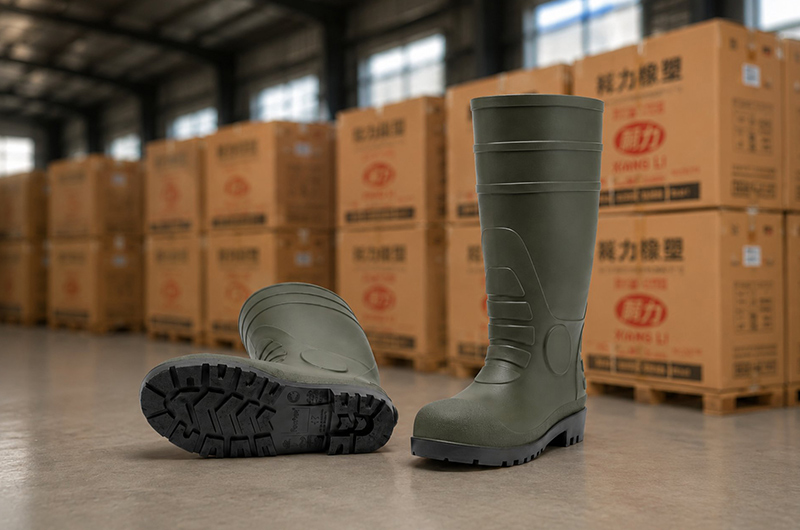
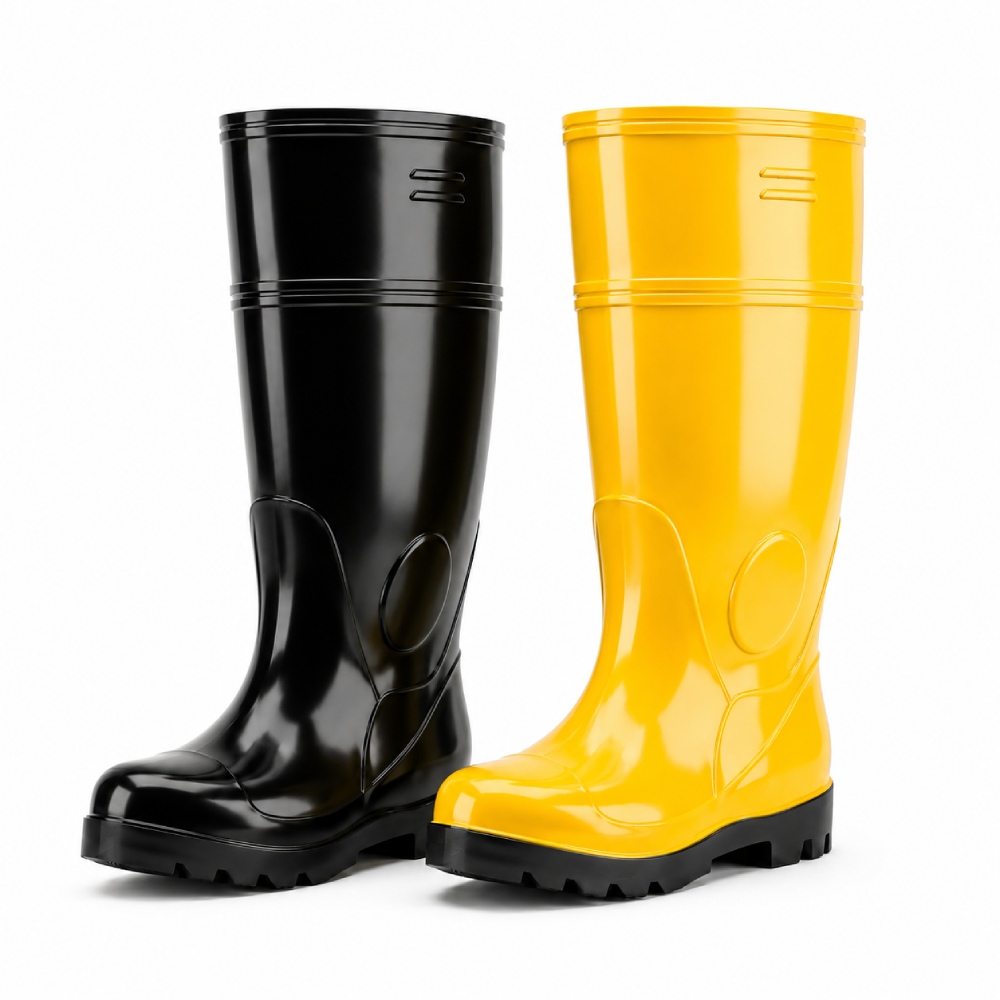
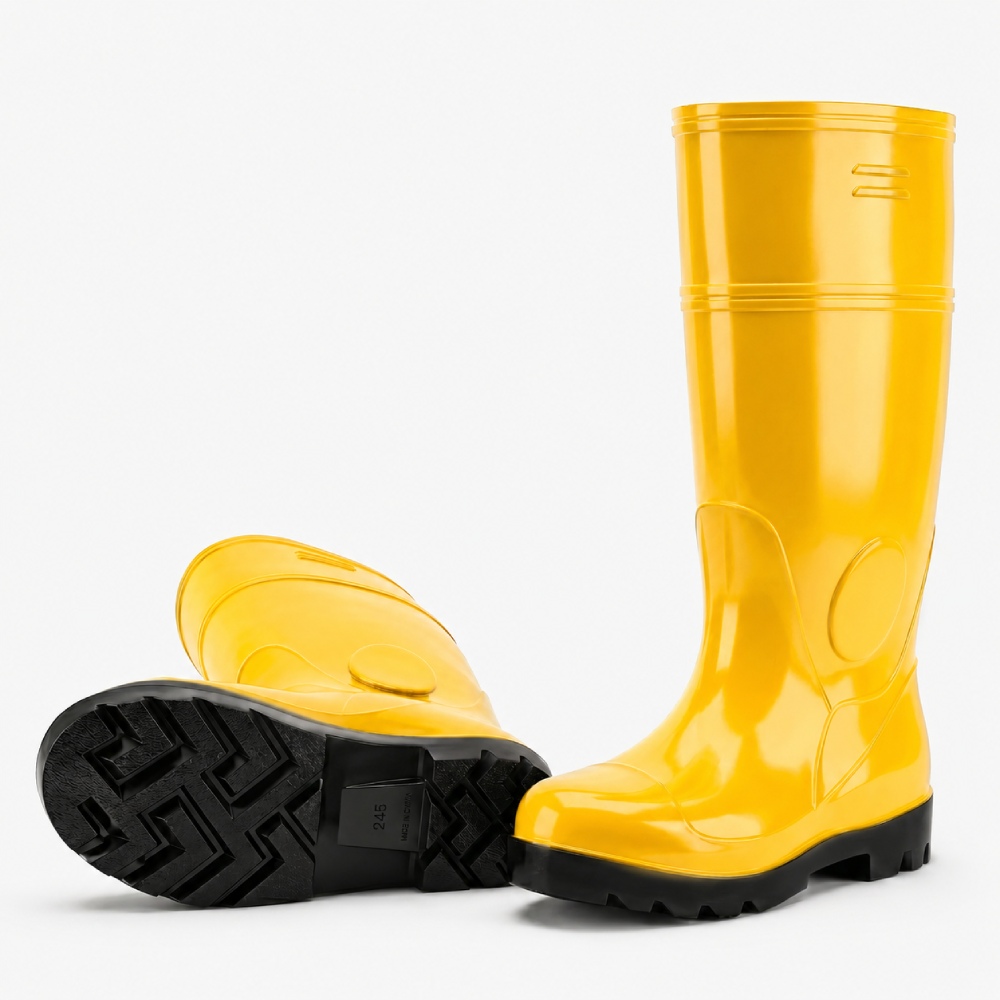
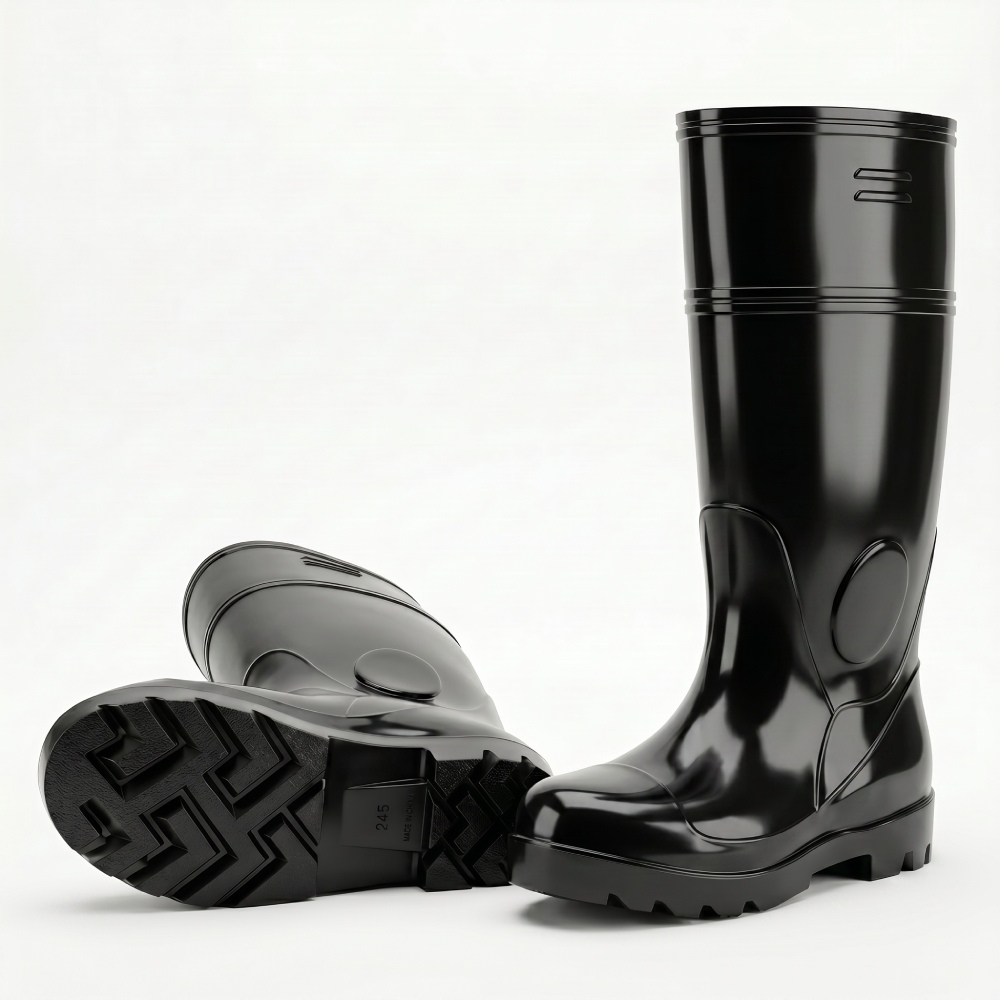
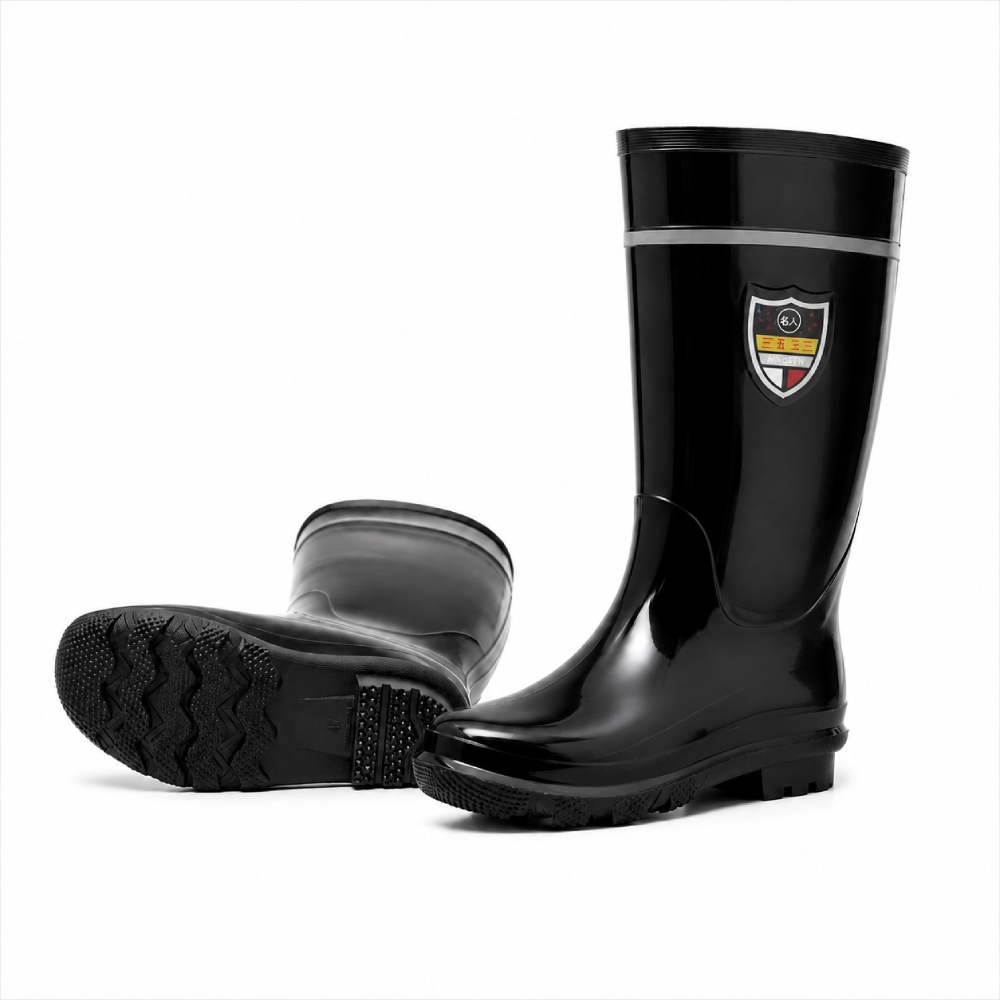
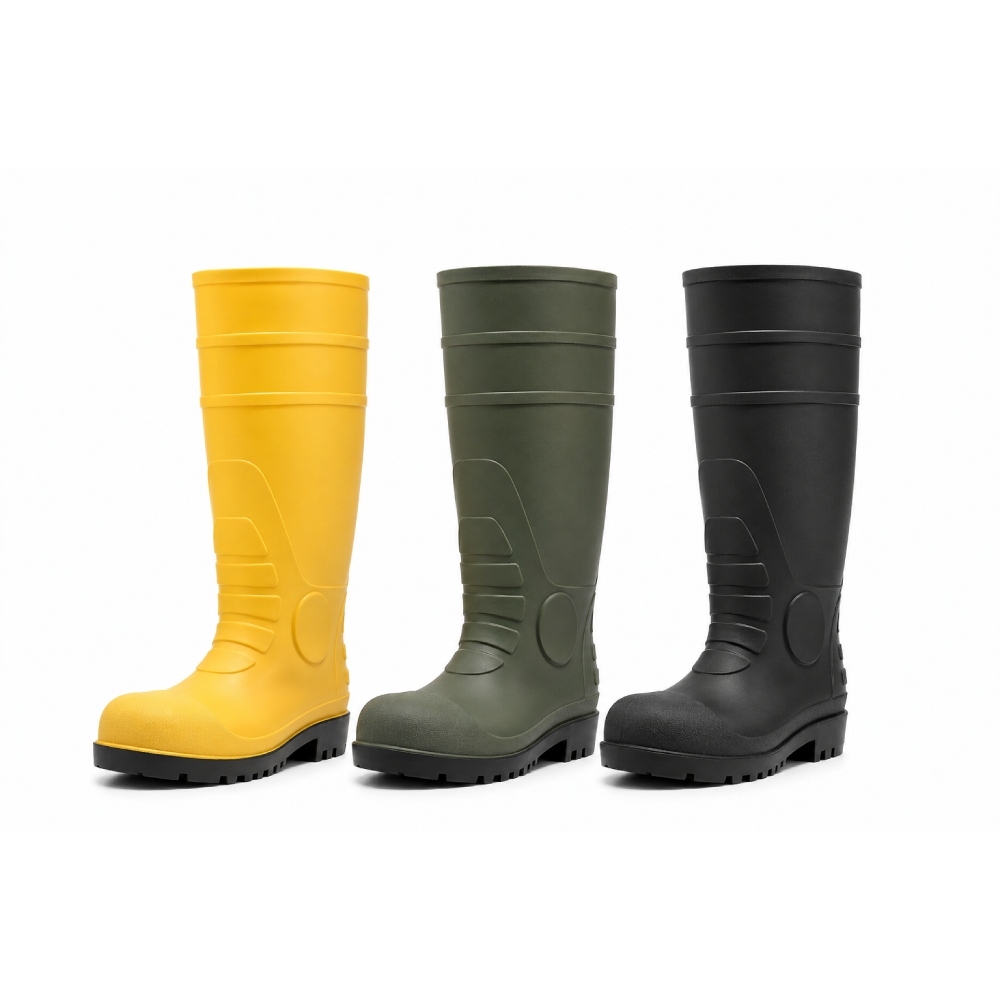
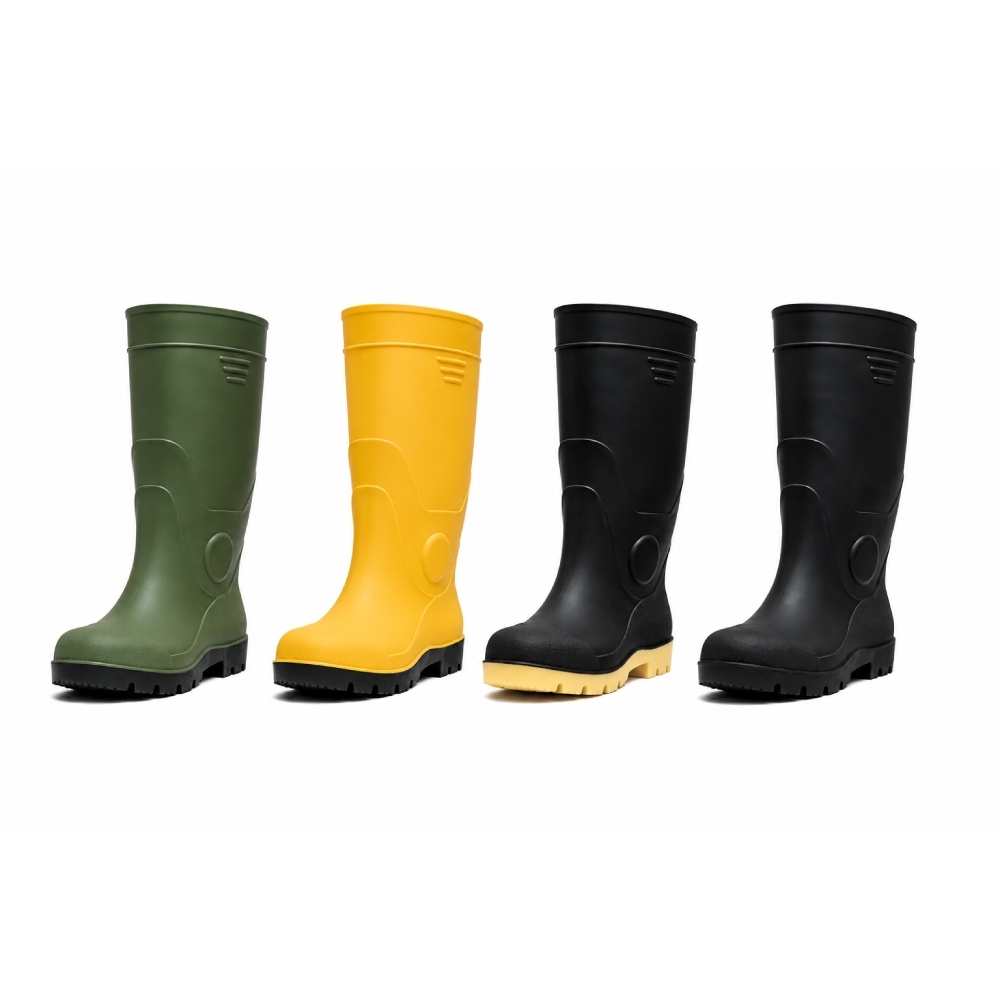
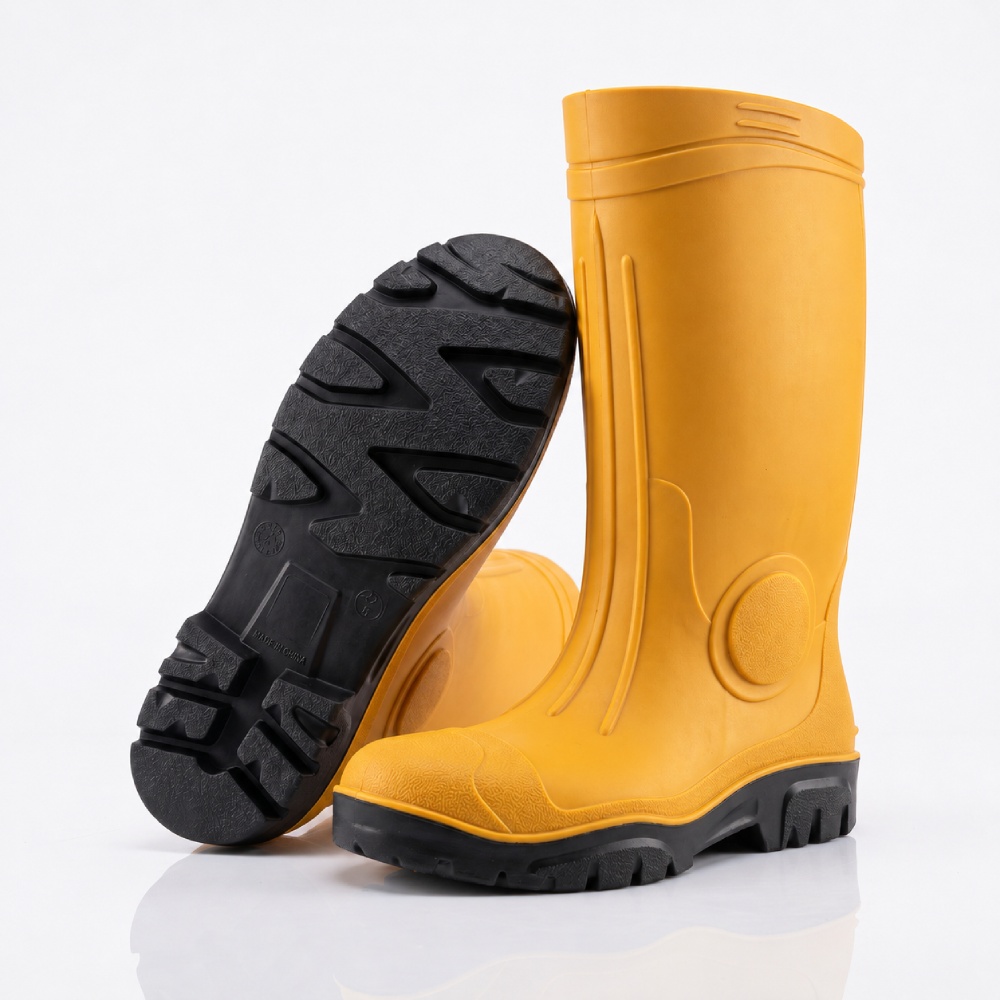
Glossy PVC Safety Rain Boots with Steel Toe and Steel MidsoleModel 8006 combines a high-gloss tall PVC shell with the steel toe and steel midsole specified in the product design. Black and yellow color directions create either a traditional industrial look or stronger visibility, while the black lug outsole gives the boot a defined workwear profile.Protective Construction for Buyer-Specified Programs
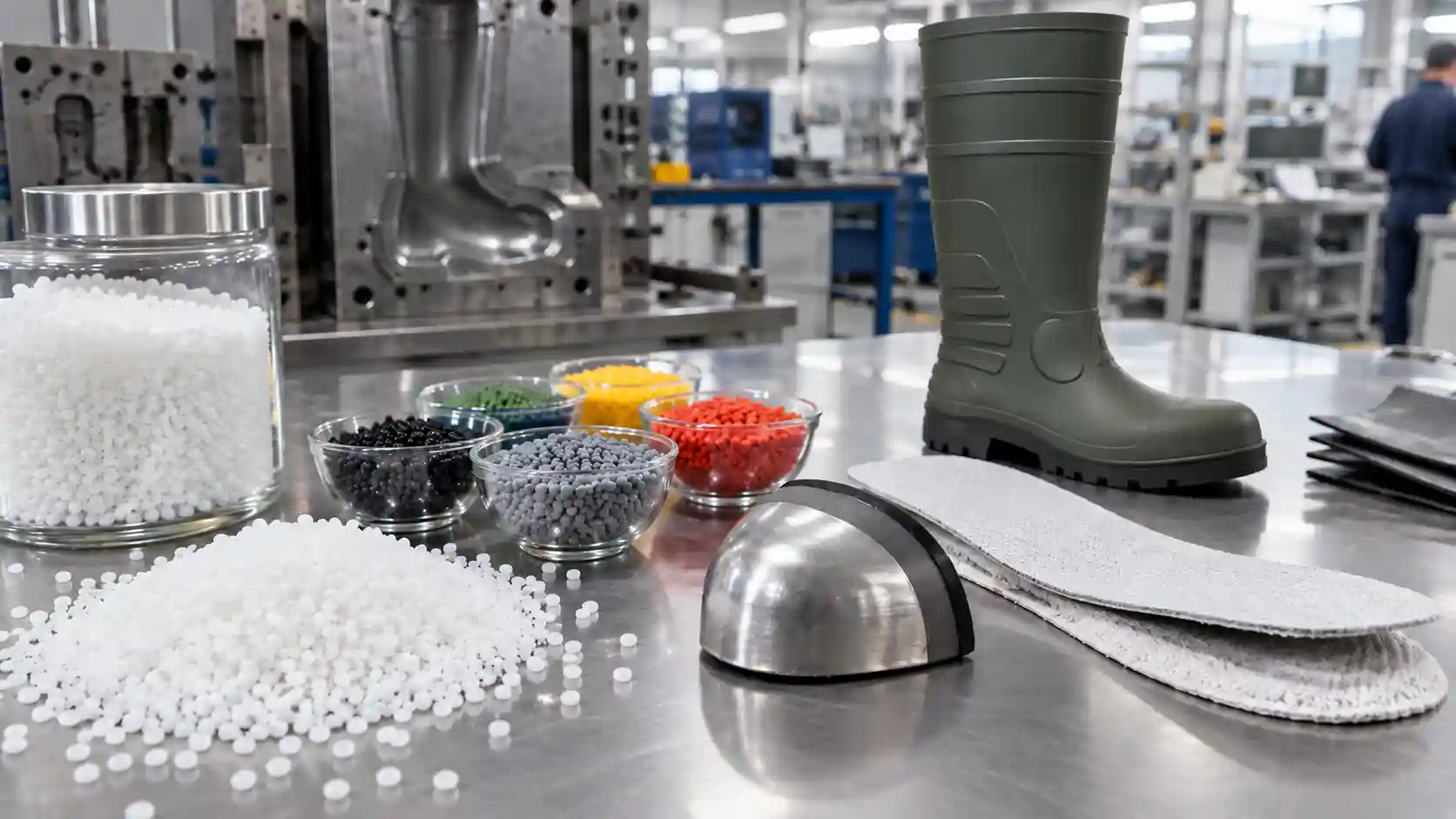
The steel toe is intended to address impact and compression hazards, while the steel midsole is intended to address underfoot penetration hazards. Exact protection levels, safety category, slip rating, and markings must be confirmed through the applicable standard and test report for the finished model.
- Tall molded PVC body for waterproof workplace coverage.
- Steel toe and steel midsole construction.
- Glossy upper in black, yellow, or approved OEM colors.
- Private-label logo, size marking, label, and export carton options.
Industrial Applications and Selection
8006 can be evaluated for construction, mining supply, utilities, maintenance, agriculture, and general wet industrial work. The employer’s risk assessment must determine whether the model’s verified classification is suitable. Chemical, oil, electrical, thermal, and slip claims should never be inferred from appearance.
Testing and Order Confirmation
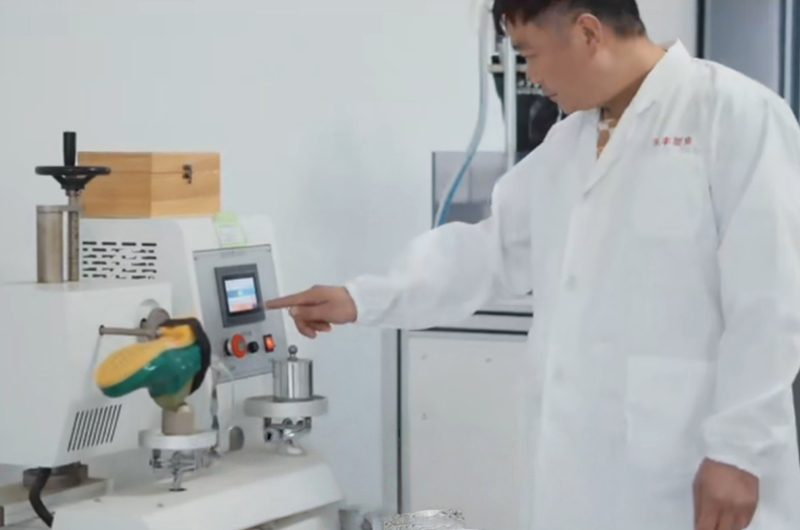
State the destination country, required standard and category, sizes, colors, quantity, logo, packaging, and third-party inspection needs. Testing applies to the agreed construction and cannot automatically transfer to a changed material or component combination.
Learn about our industrial boot solution or contact us for model 8006 documentation and sampling.
Buyer and Market Positioning
A useful product page for model 8006 glossy PVC safety boot begins with application, not slogans. The likely buyers are PPE distributors, construction suppliers, mining support companies, and industrial importers, and the footwear can be evaluated for wet construction, mining support, utilities, maintenance, agriculture, and industrial cleanup. Stating these points helps search users understand the model, helps distributors compare it with nearby products, and gives the factory a better brief for sampling and bulk-order confirmation.
Design Details to Confirm
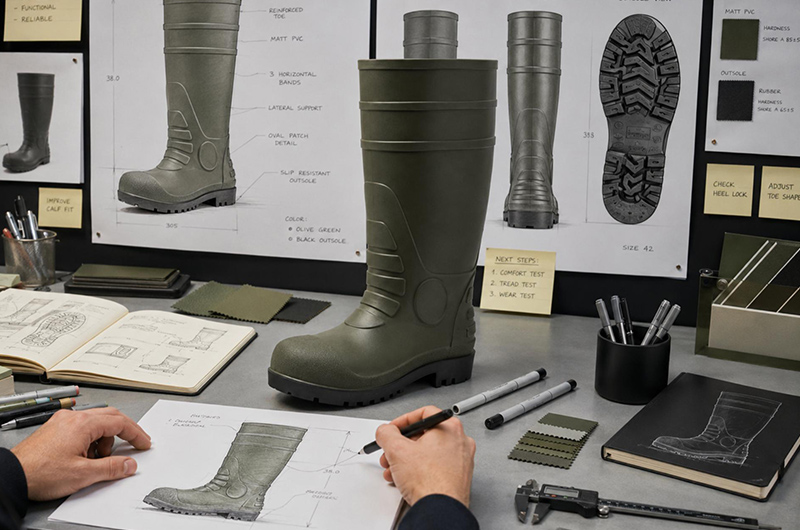
The visible identity is based on a glossy tall shell in black or yellow with a black lug outsole, steel toe, and steel midsole. During sampling, review the product from several angles instead of approving only a front image. Color, surface, outsole, logo position, left and right matching, size marking, and packing should be connected to one approved specification. Where a buyer requests a material or construction change, its effect on appearance, weight, flexibility, cost, and testing must be reviewed before bulk production.
Fit and Wear Evaluation
Fit planning for this item should consider protective-toe position, size, heel hold, and calf space verified with the complete tested construction. Size conversion tables are useful, but the physical sample remains important because liners, protective components, sock thickness, and regional fit expectations can change internal volume. A buyer preparing several sizes should confirm how measurements are taken and whether the same construction is maintained across the range. Wear feedback can support comfort decisions, but it does not replace formal testing for regulated performance claims.
Cleaning, Storage, and Service Life
Recommended handling is to inspect for cuts, cracks, worn tread, or exposed components and replace damaged PPE. Cleaning instructions must match the actual material and any workplace substance. Boots should be stored in a cool, dry, ventilated area away from prolonged sunlight, unsuitable chemicals, sharp objects, and excessive heat. Users or employers should inspect the upper, outsole, lining, markings, and any protective components. Footwear that is cracked, cut, badly worn, deformed, or otherwise damaged should be reviewed and replaced when it no longer suits the intended use.
Product Boundaries and Accurate Claims
This model should be described within the following boundary: claims limited to the safety category and optional properties proven for the finished model. Waterproof construction does not automatically prove slip resistance, chemical resistance, insulation, electrical properties, or occupational certification. If a claim is required, the buyer should identify the destination standard, test method, classification, laboratory, and acceptance criteria before production. Reports, labels, catalogs, and online descriptions must all refer to the same finished construction.
Range Planning and Model Comparison
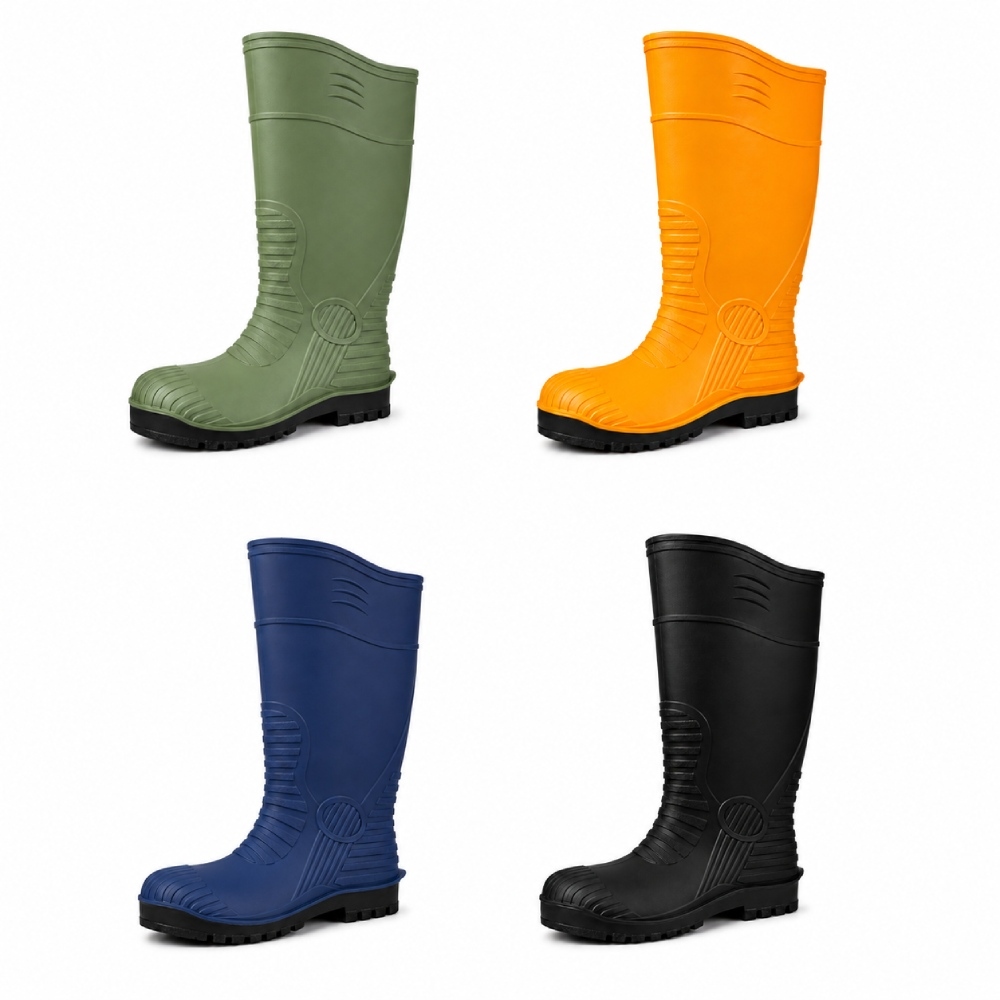
For a broader product range, compare this item with matte model 8701 or heavy-lug model 8871 for a different industrial presentation. This gives distributors a meaningful assortment instead of several pages with interchangeable text. The comparison can be based on shaft height, finish, lining, outsole appearance, intended user, protective construction, or cleaning environment. Related products should be linked only when the difference is clear enough to help the visitor choose, and each SKU should retain its own images, model number, barcode, and approved specification.
OEM Order Checklist
Before requesting a quotation, prepare the target country, sales channel, application, size range, estimated quantity, colors, logo artwork, lining or insole request, packaging, delivery window, and any required tests. Identify mandatory points separately from preferences. Anhui Yufeng can then review feasibility, arrange a sample, confirm product and packaging details, and connect the approved references with production and quality inspection. Changes after approval should be documented because they may affect components, cost, timing, or existing test evidence.

 Learn More