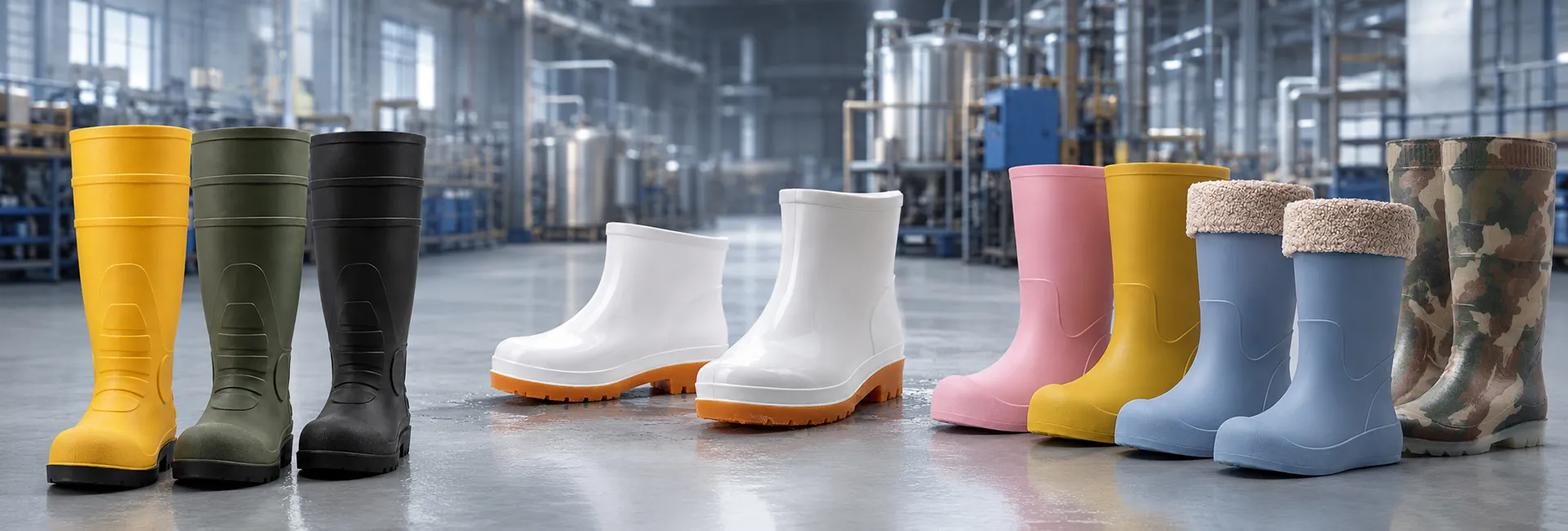
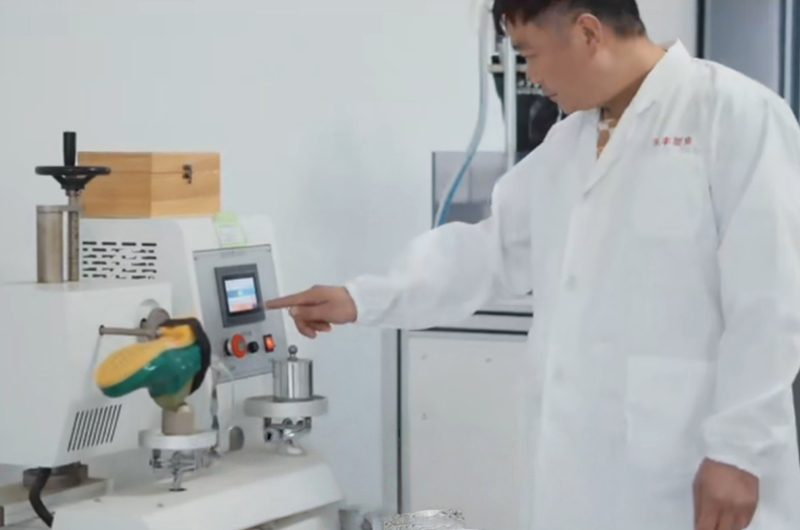
We always strictly inspect the quality before shipment to avoid any issues that may happen with the quality and to ensure every batch meets customer standards.
Rain Boot Production and Quality InspectionConsistent bulk production depends on a clear approved standard and quality checks at the right stages. Anhui Yufeng New Material Technology Co., Ltd. applies production and inspection controls to OEM and private-label rain boot orders so that materials, workmanship, appearance, size marking, and packaging can be reviewed against the confirmed requirements. The exact inspection plan depends on the product, order, destination, and any customer-specific criteria agreed before production.
Quality control is not limited to looking at finished cartons before shipment. Potential issues are easier to manage when specifications are reviewed before release, components are checked as they arrive, and production is monitored while work is still in progress. This staged approach supports traceability, timely correction, and more consistent results across a batch.
Approved References Guide ProductionBefore bulk manufacturing, the production team needs the current order, approved sample or sample comments, specification, color and material references, size schedule, logo artwork, and packaging files. These records define what is being made. If different documents conflict, the difference should be resolved before the order is released.
Our order confirmation process connects these references with SKU quantities and delivery requirements. Critical requirements should be identified in writing. A general request such as 鈥済ood quality鈥?is not a measurable standard; a clear description, approved reference, and agreed inspection method provide a more useful basis for evaluation.
Incoming Material and Component ChecksIncoming checks help confirm that materials and components correspond to the production plan before they are consumed. Depending on the boot and order, this may involve the main material, color, lining, insoles, trims, logo components, labels, packaging, and carton information. Obvious damage, incorrect identity, or a mismatch with the approved reference is isolated for review.
Where a project calls for specific documentation or testing, the requirement should be agreed at the quotation or order stage. Testing scope, standard, sample selection, laboratory, acceptance criteria, and responsibility for cost must be clear. We do not assume that one test or one market requirement automatically applies to every rain boot program.
First-Piece and In-Process InspectionAt production start, checking early output helps verify that the line is following the approved direction. Review points can include molded appearance, color, surface condition, logo position, component assembly, key dimensions, size marking, and workmanship. If a difference is found, the team can investigate and adjust the process before more units are completed.
In-process checks continue at suitable production stages. Inspectors look for repeated defects, inconsistent assembly, contamination, damage, marking errors, or other issues relevant to the style. Findings are communicated to production so that affected items can be separated and corrective action can be taken. Records and retained references help the team compare subsequent output with the confirmed standard.
Finished Rain Boot InspectionFinished-product review checks the completed boot as a saleable item. The detailed checklist is adapted to the order and may cover:
- Overall appearance, color consistency, cleanliness, and left/right matching.
- Molded surface, edges, joins, decoration, logo, and visible workmanship.
- Style, material identity, size marking, and key dimensions as agreed.
- Lining, insole, trims, and removable components where applicable.
- Flexibility, sole attachment, waterproof-related checks, or other functional items when specified.
- Labels, barcodes, individual packing, assortment, carton quantity, and shipping marks.
Manufactured products can have reasonable variation, so acceptance limits and critical points should be agreed in advance. Inspection results are compared with the approved requirements rather than an undefined ideal.
Nonconformity, Correction, and VerificationIf an issue is identified, affected goods are held or separated as appropriate while the cause and scope are reviewed. The response may include sorting, rework, replacement of components, process adjustment, or another agreed action depending on the situation. Corrected output is checked again before it is accepted. Significant findings are communicated so the buyer understands the status and any effect on delivery.
For recurring issues, root-cause analysis and corrective actions help prevent repetition. Information from after-sales feedback can also be returned to product design, sampling, and production teams for future improvement.
Final Inspection and Buyer-Appointed InspectionBefore shipment, finished goods and packing are reviewed according to the order鈥檚 inspection arrangement. When a buyer requires its own inspection standard or appoints a third-party inspection company, the procedure, timing, access, sampling plan, and acceptance criteria should be shared before production is completed. We can coordinate reasonable factory access and documentation based on the confirmed order.
Passing an inspection does not replace the buyer鈥檚 responsibility to define destination-market compliance, labeling, and any mandatory tests. Clear cooperation between supplier, buyer, and inspector creates a stronger and more efficient quality process.
A Quality Process Built for Long-Term SupplyProduction control protects more than one shipment. It provides information that can support repeat-order consistency, specification updates, supplier-buyer communication, and product improvement. When the same style is reordered, the current approved specification and any accepted changes should be reviewed rather than relying only on memory.
After final acceptance, the order moves into container loading and logistics tracking. To discuss an OEM rain boot project, quality checklist, or buyer inspection requirement, contact Anhui Yufeng before order confirmation so the requested controls can be planned from the start.