How to Choose a Reliable PVC Rain Boots Manufacturer for Wholesale Orders
-
 Tom
- 15th October 2026
Wholesale rain boot buying is rarely decided by the lowest price in a spreadsheet. A shipment can look attractive until the sample is difficult to clean, sizes vary between batches, or the delivery date slips. The right PVC rain boots manufacturer makes the order easier to control from material discussion to carton check.
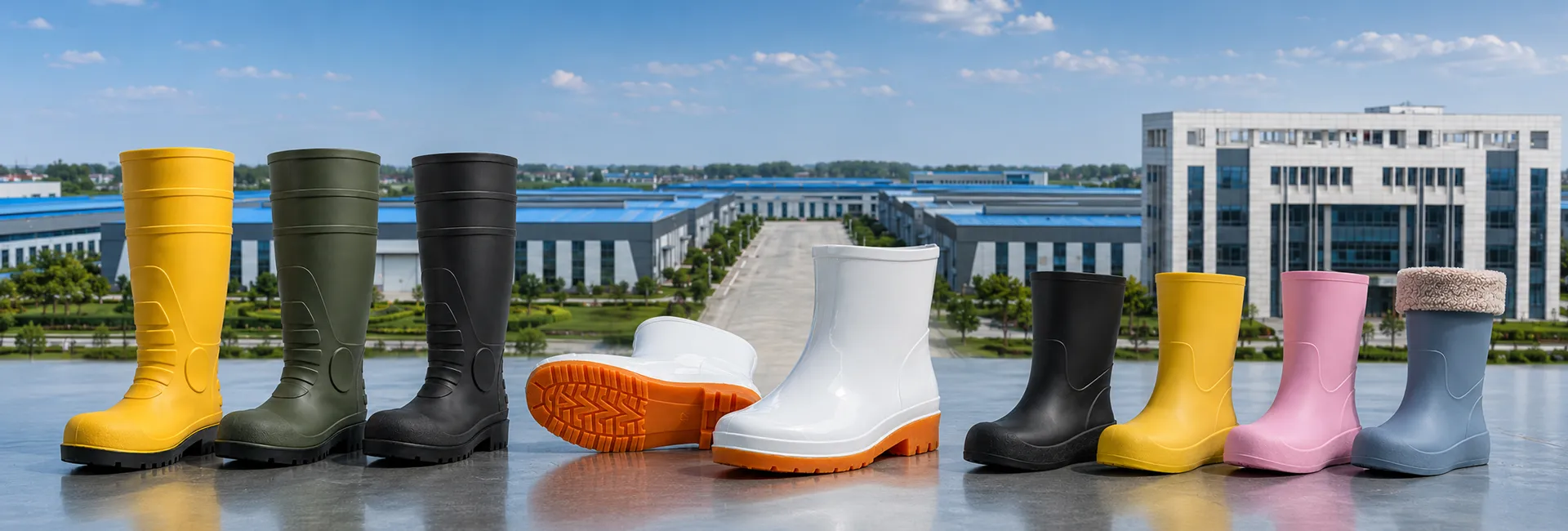
For distributors, importers, workwear suppliers, and private-label brands, the questions are practical. Does the factory make the required boot? Can it repeat the sample? Are quality checks and batch records clear? YUFENG supports general, safety, food-processing, and fashion rain boots, with OEM and ODM options.
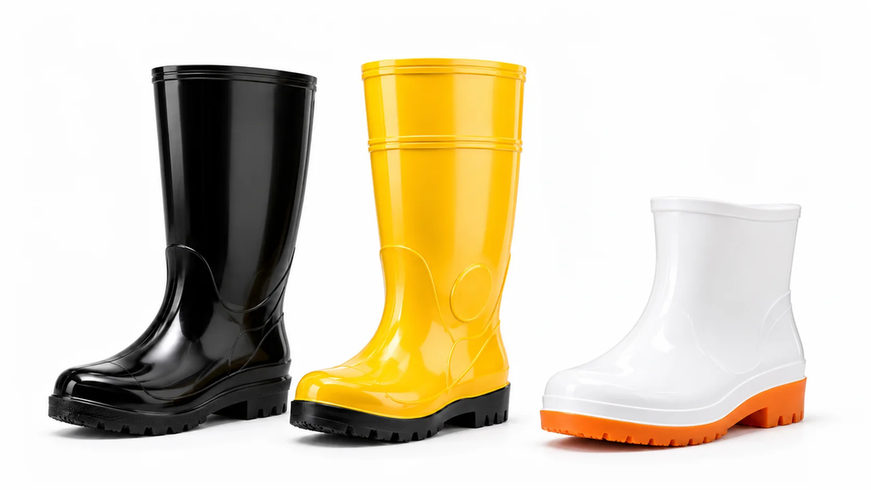
Start With the Factory’s Actual Product Fit
A manufacturer may describe itself as a footwear supplier while producing only a narrow range of molded boots. Match the factory’s real scope to the intended market before requesting a quotation.
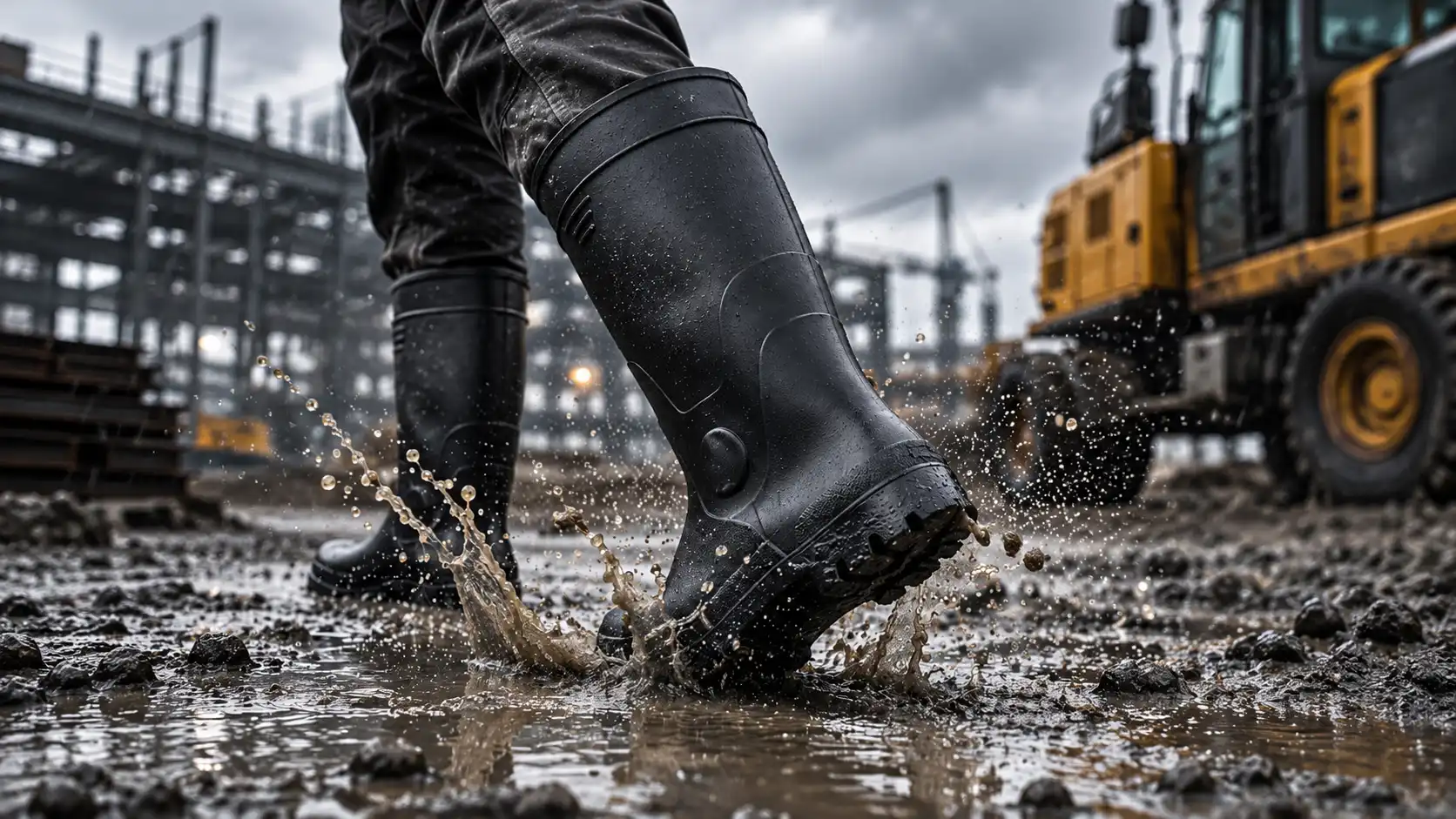
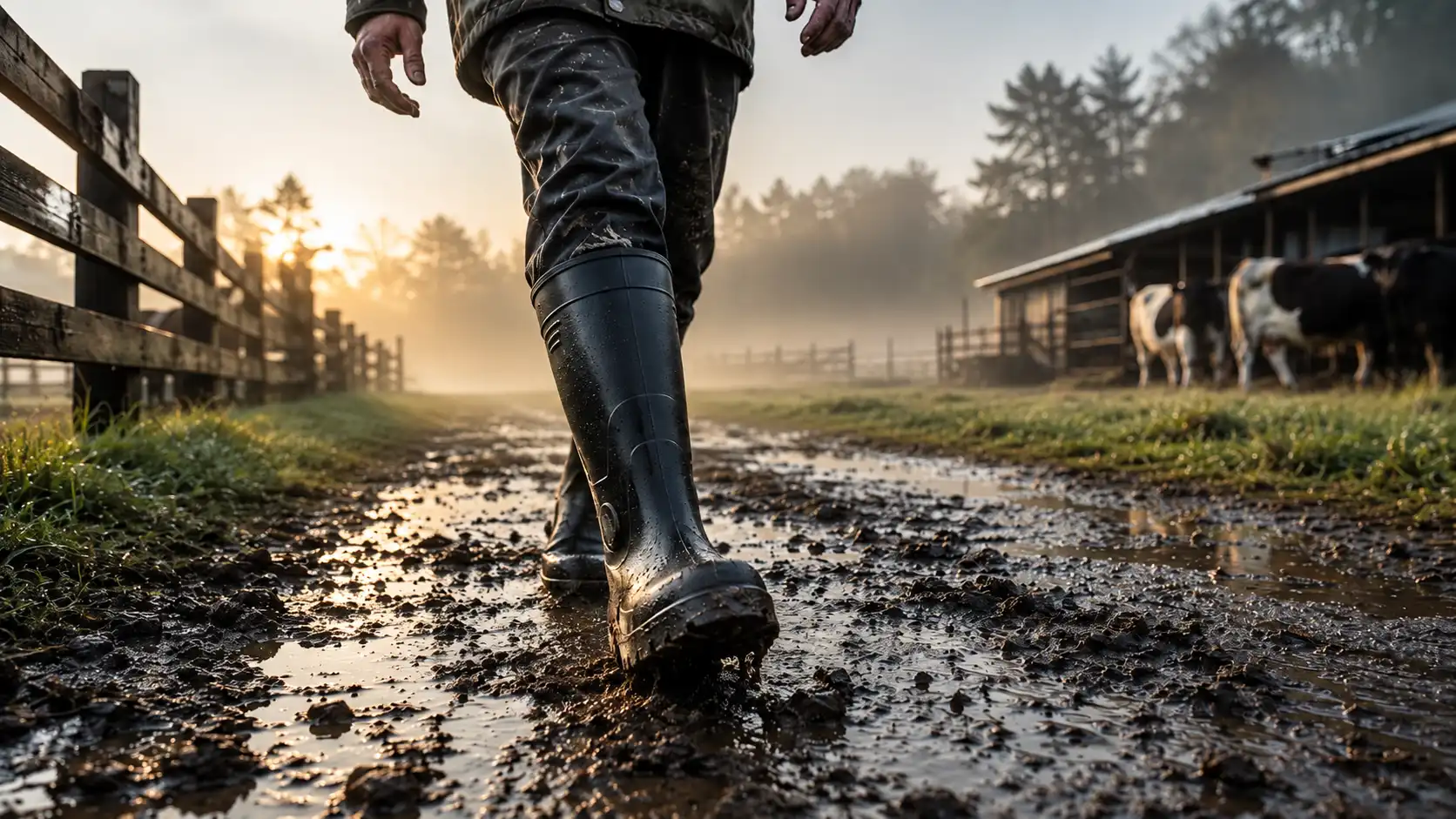
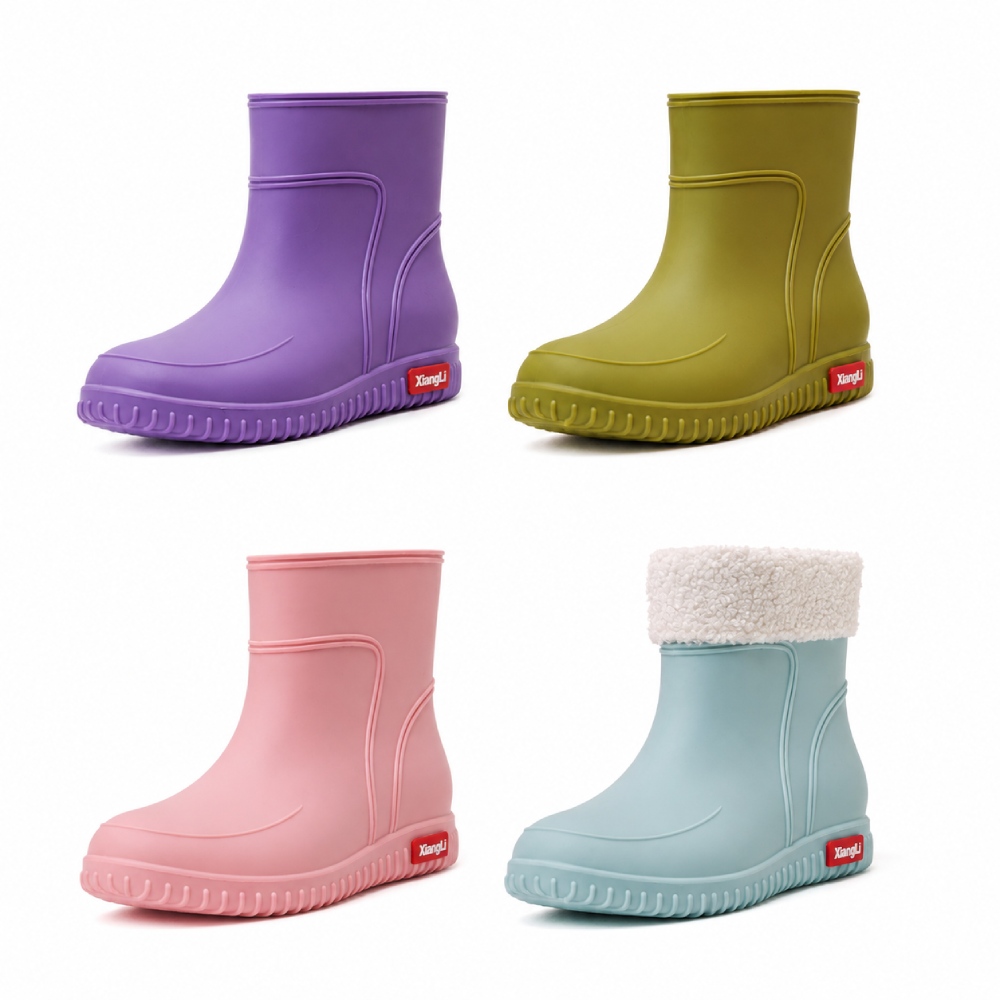
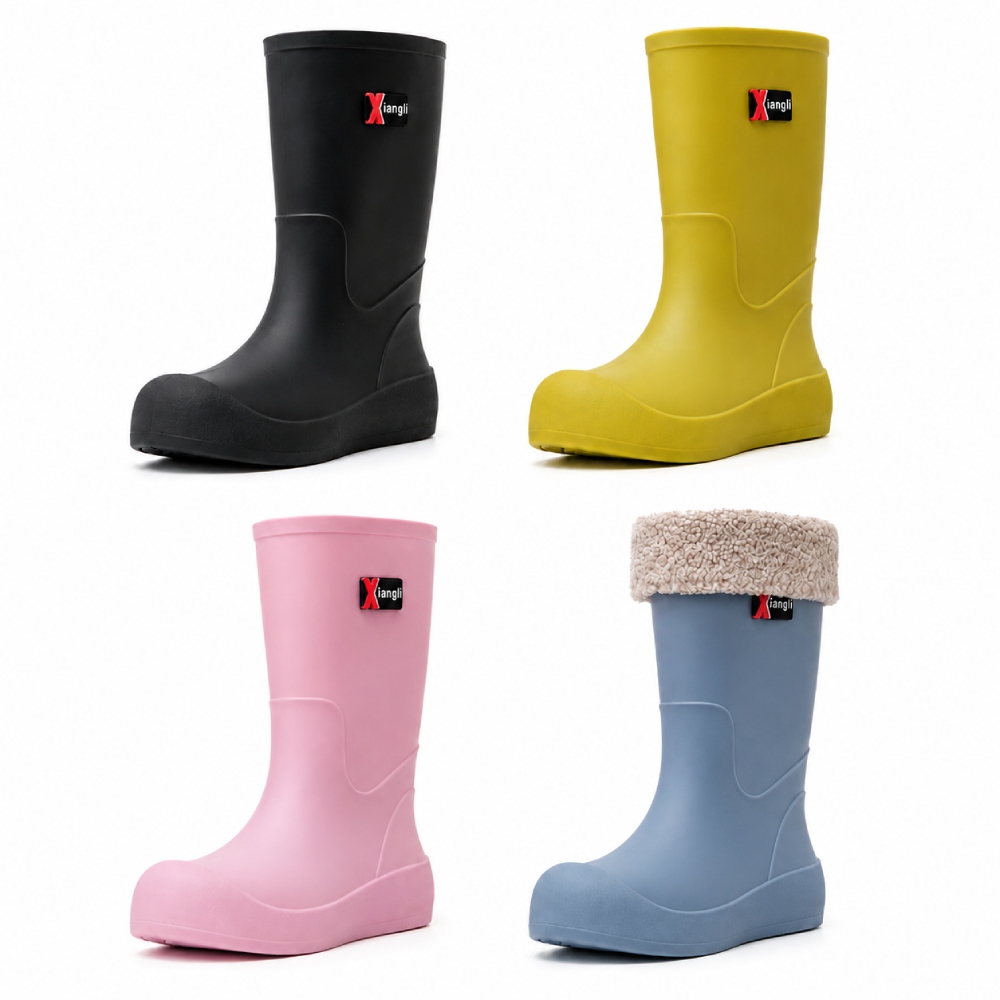
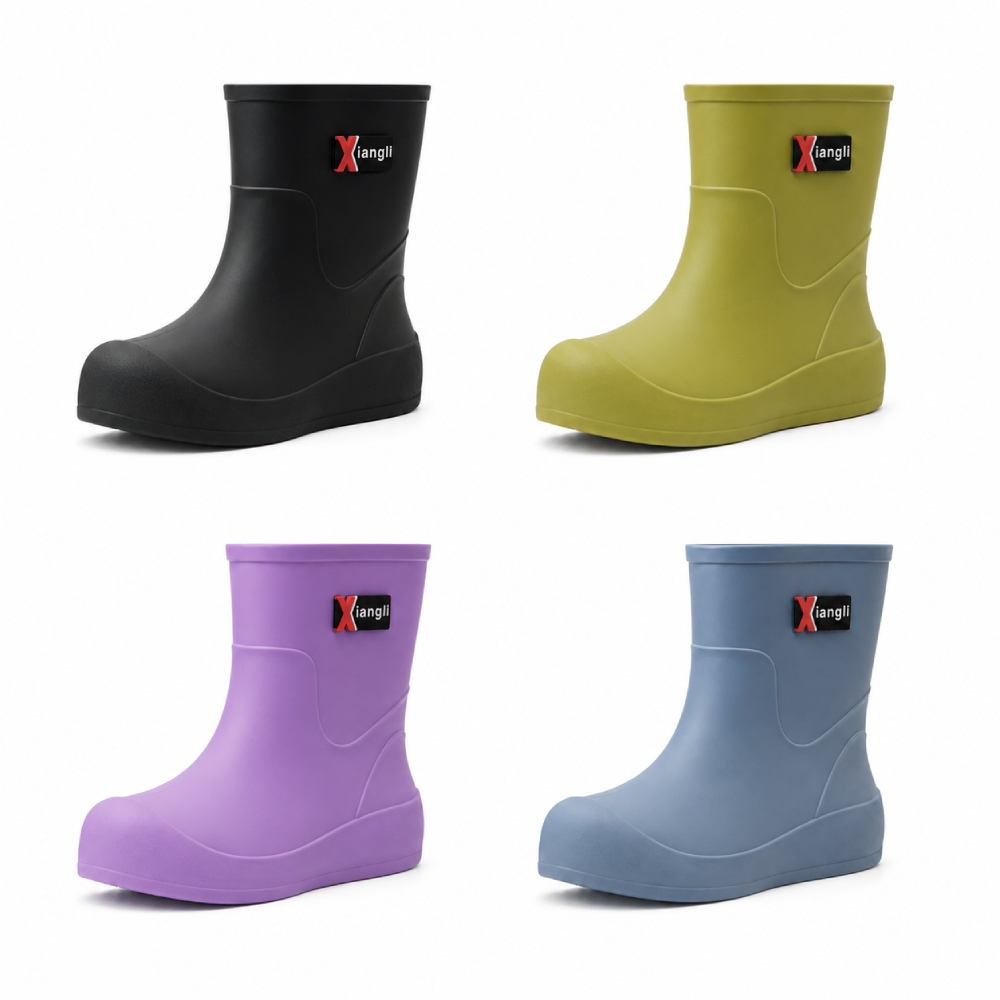
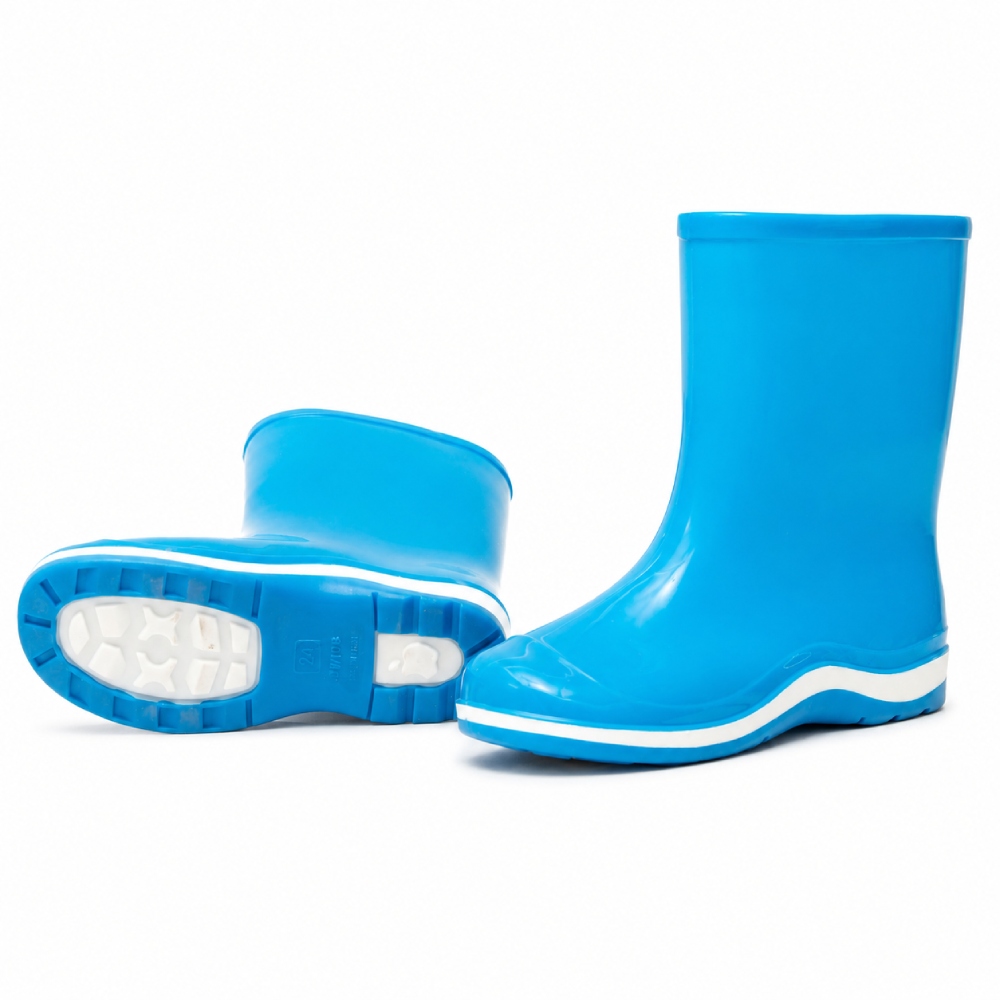
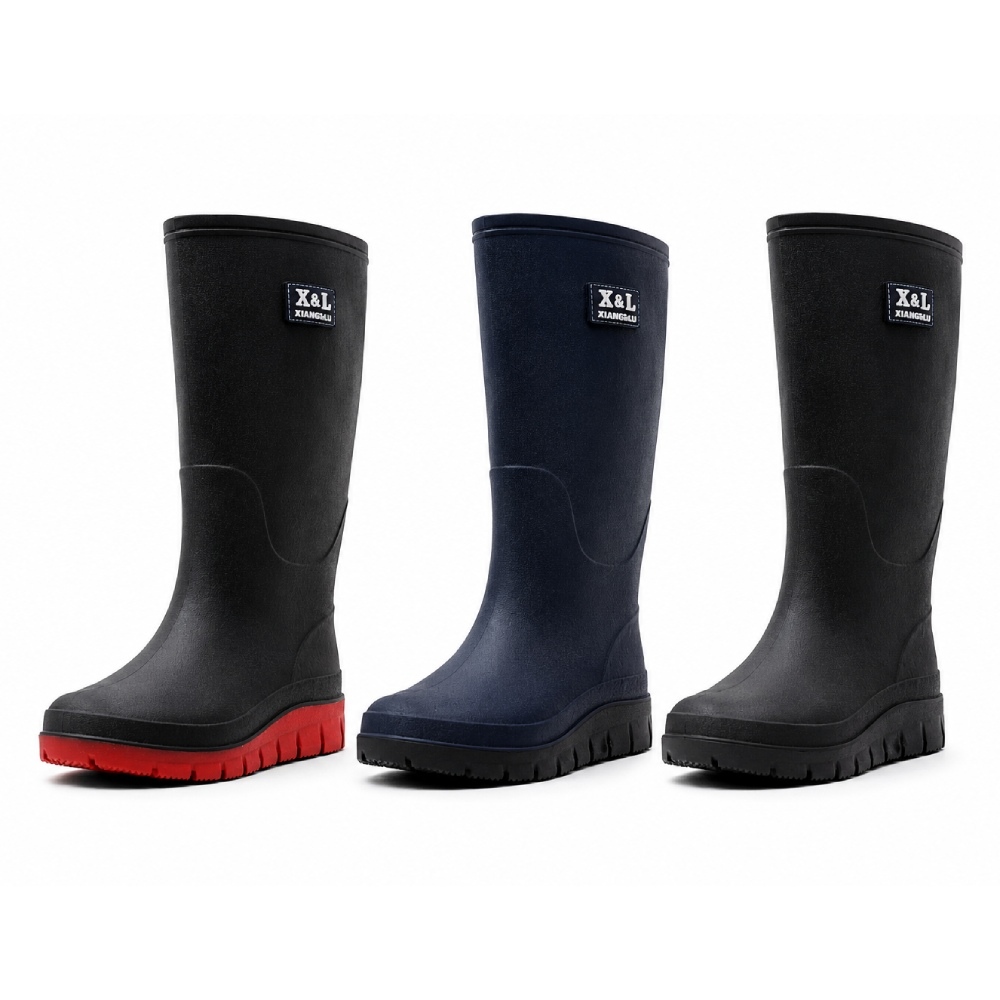
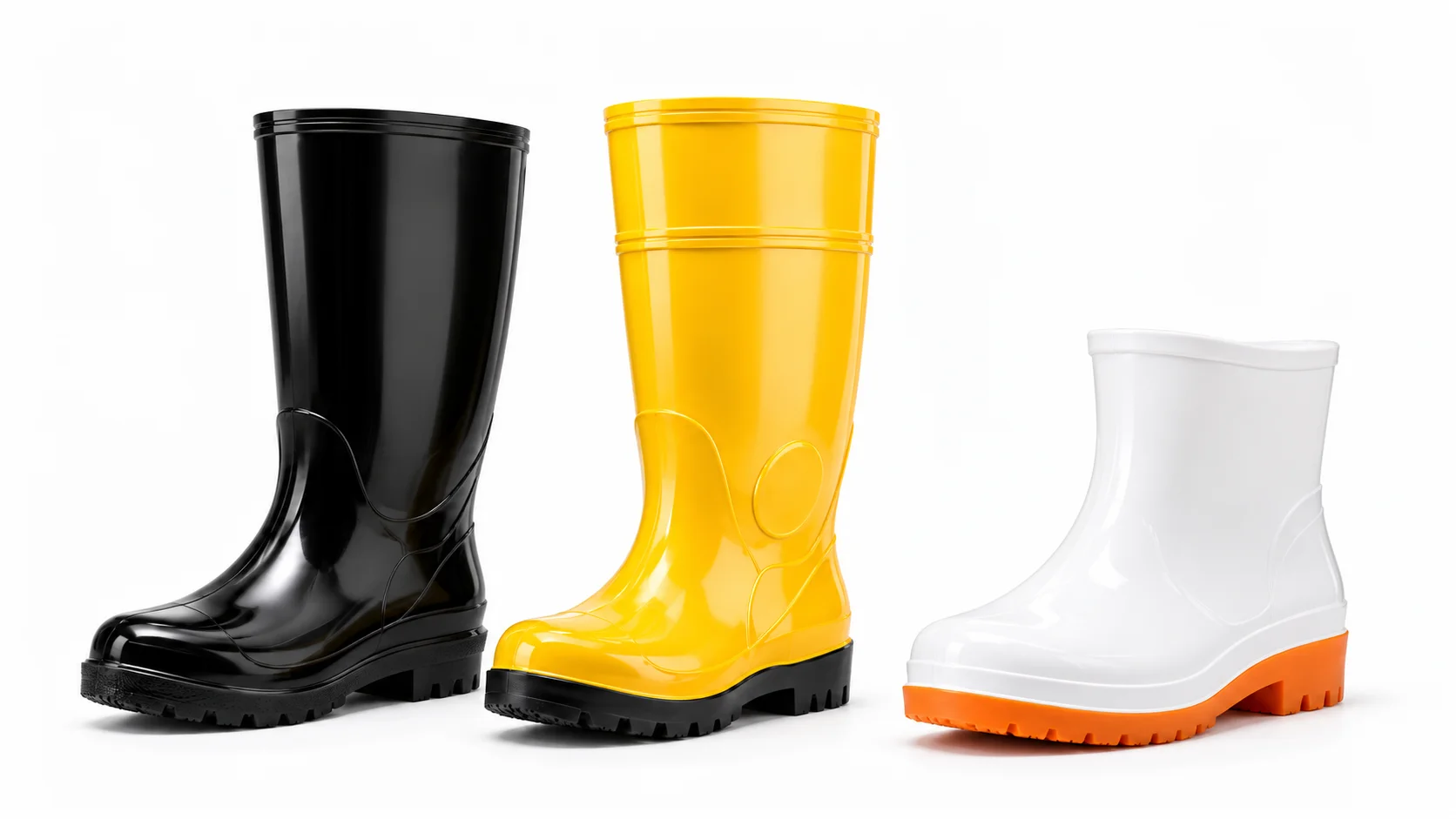
General PVC rain boots suit farming, gardening, cleaning, fishing, outdoor work, and everyday wet-weather use. Safety models may add a steel toe cap, puncture-resistant midsole, and slip-focused outsole for construction, mining, factories, or heavy-duty work. Food processing boots need a smooth, waterproof surface that can be cleaned frequently, along with grip for wet or greasy floors. Fashion and kids’ boots bring different requirements for colors, shapes, lining, packaging, and size runs.
General rain boots may be sufficient for gardening or everyday outdoor work, while PVC safety rain boots are designed for applications that require additional protective features. Comparing the application first prevents a general-purpose model from being assigned a safety or hygiene role it was never designed for.
Check Whether the Material Discussion Is Specific
“PVC” is a material family, not a complete specification. A reliable factory should be able to explain the construction of the selected model, including the PVC compound, outsole design, lining, protective components, and any special resistance requirement.
Ask how material changes are controlled between sampling and bulk production. Record color, size, boot height, surface finish, outsole, lining, and packaging. For oil, chemical, cold-weather, or food-related requirements, request evidence for the exact model.
The same point applies to safety features. A steel toe or puncture-resistant midsole should be identified in the product specification and checked during production. The final protection level still depends on the selected design and target-market requirements.
Inspect the Manufacturing Process, Not Just the Showroom
Wholesale consistency comes from process control. Ask how raw materials are received, molds are identified, injection parameters are managed, and finished boots are released. A clear process is easier to audit than attractive product photos.
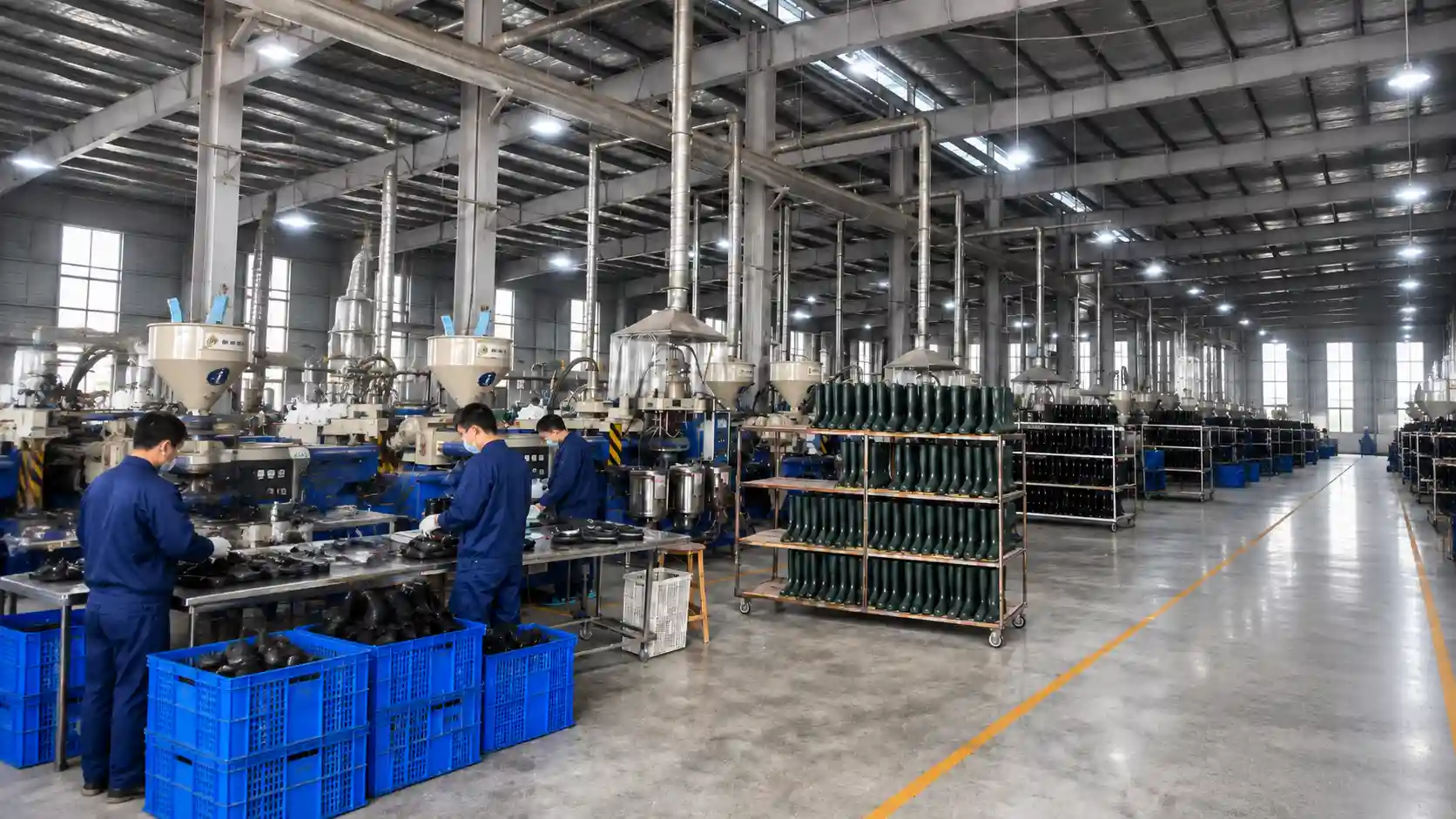
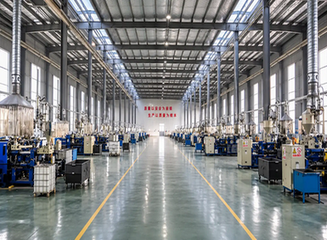
YUFENG operates an integrated process covering material preparation, injection molding, trimming, required assembly, inspection, and packaging. Production records can connect the raw-material batch, shift, mold number, and customer order. That traceability gives a buyer a practical route for investigating a defect instead of treating every complaint as an isolated guess.
Ask how the approved sample is controlled. Pre-production, confirmation, and bulk-production samples should not drift apart without a documented change. Mold number, color reference, and packaging sample protect the order when several styles run together.
Review Capacity and Responsiveness Together
Large capacity is useful only when supported by planning. A factory may have many machines but limited peak-season availability, or accept an order without confirming mold time, raw materials, packing space, and shipping readiness.
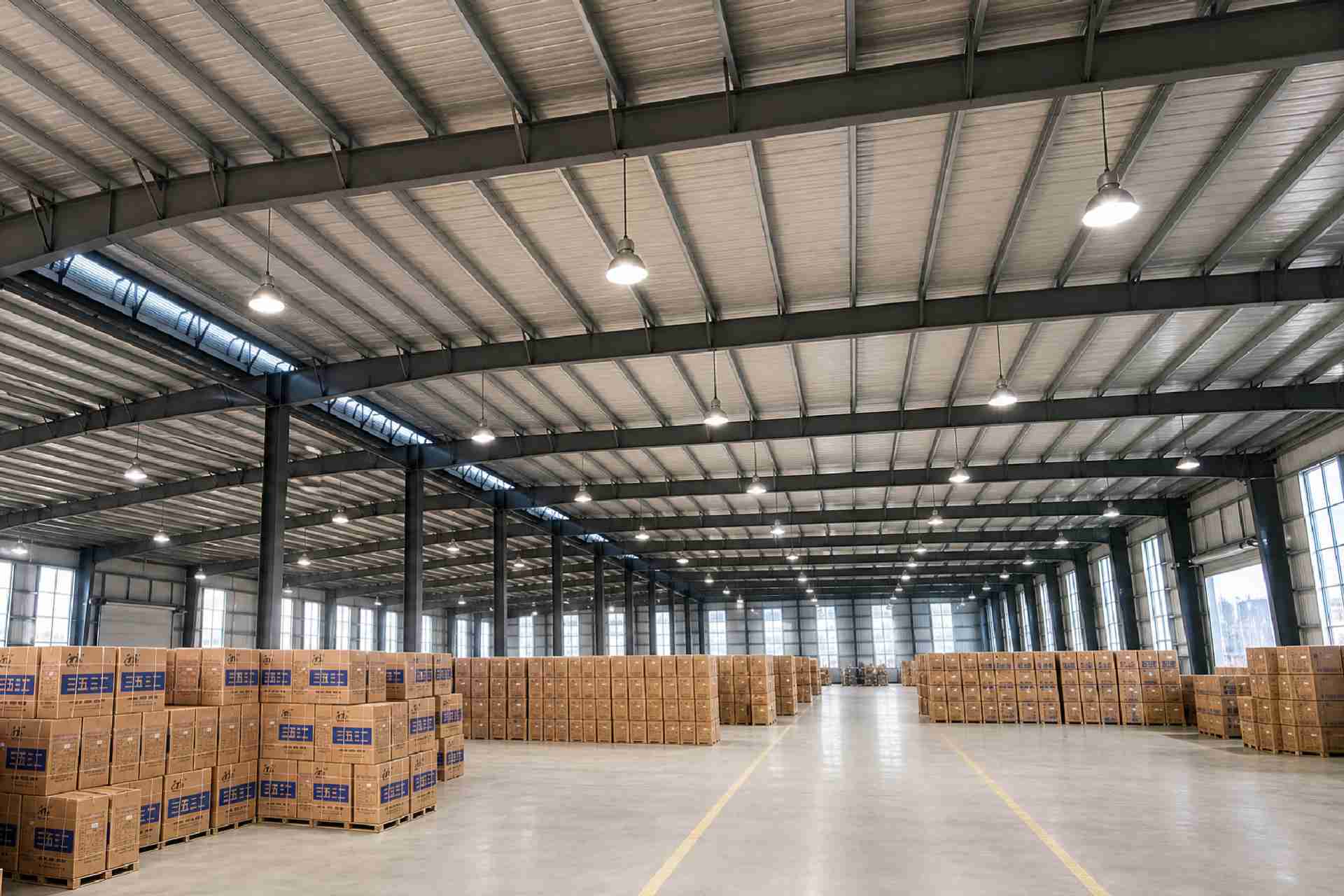
YUFENG operates 24 standardized production lines with an annual production capacity of approximately 12 million pairs. Wholesale buyers should still confirm production availability and delivery schedules for their specific orders. Ask for the minimum order quantity, sampling lead time, mold schedule, production window, inspection date, and carton completion date.
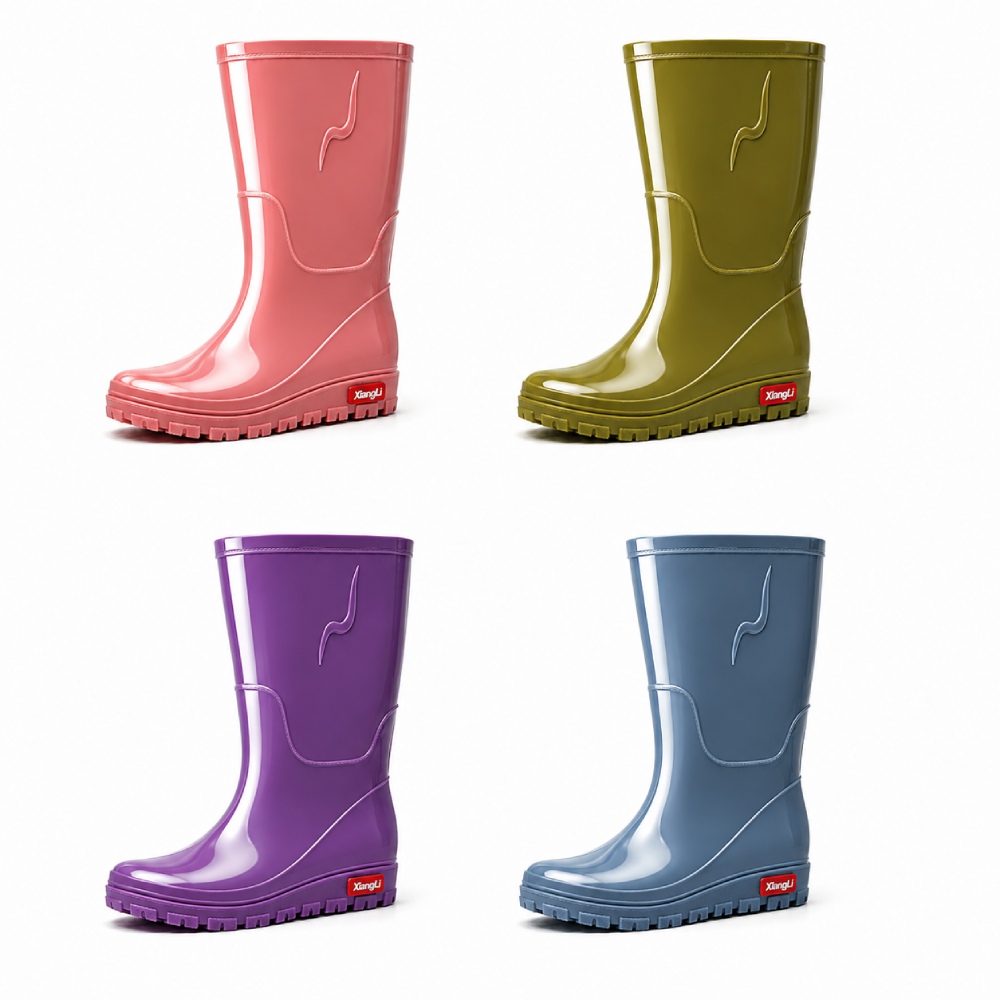
Wholesale programs often change a color, logo position, size ratio, or carton mark after the first sample. For private-label orders, custom rain boots can be developed with defined colors, logos, linings, outsoles, and packaging before production.
Confirm OEM and Packaging Control Before Ordering
Private-label orders often fail at the packaging stage. The boot may be acceptable while the logo size, hangtag, shoe box, barcode, carton mark, or inner bag is wrong. These errors create relabeling work and delay a retail launch.
Put every visible detail into the confirmation record. Include logo method, color reference, size assortment, lining, outsole pattern, packaging components, carton dimensions, and shipping marks. Ask whether the factory keeps a retained sample and who approves changes.
Custom colors, logos, designs, linings, heights, and packaging should be captured in the packaging approval record when the order includes more than a standard stock boot. A buyer should still approve the actual artwork and sample before bulk production.
Ask How Quality Is Checked Before Shipment
Quality control should be visible in the order plan. At minimum, the buyer needs to know how incoming materials, in-process molding, and finished boots are checked. For waterproof products, leakage inspection matters. For safety models, protective components and outsole condition need their own checks. For food-processing use, cleanliness, surface condition, and slip performance should match the agreed application.
Ask for the inspection method, sampling level, defect classification, and corrective-action process. Photos help, but a written record is easier to compare across batches. YUFENG uses incoming inspection, IPQC, FQC, water-immersion leakage testing for safety rain boots, and third-party testing where required. The pre-shipment quality inspection plan can be discussed before release.
Certificates also need context. Check the certificate holder, model or product scope, test standard, issue date, and target market. CE, LA, ISO, SGS, or another label should not be copied into a product listing unless it applies to the exact product being sold.
Compare the Quote Beyond Unit Price
A useful quotation shows what the unit price includes. Check whether it covers the agreed material, logo method, liner, packaging, mold fee, sample fee, inspection, spare cartons, and export documents. Confirm the trade term, payment schedule, lead time, validity period, and what happens if the approved specification changes.
Compare quotes on the same basis. A lower number may exclude packaging, while a higher number may reflect a different outsole, heavier construction, or fuller inspection. Ask for a revised scope when the headline price is unclear.
A Simple Wholesale Qualification Sequence
Send the application, target market, size range, quantity, and required protection or hygiene features. Request model details, MOQ, lead time, and documents. Approve the physical sample and packaging reference, then confirm the production specification, inspection method, mold, artwork, and delivery details in writing. Retain a reference sample for later batches.
FAQ
What should a wholesale buyer ask a PVC rain boots manufacturer first?
Start with product fit, material construction, MOQ, sample lead time, production capacity, inspection method, and available documents for the target market.
How can a buyer check whether a manufacturer can repeat a sample?
Request a reference code, color and size record, mold information, packaging sample, and a written bulk-production confirmation. Compare the pre-shipment sample with the approved reference.
Are all PVC rain boots suitable for industrial work?
No. General rain boots provide wet-weather coverage, while industrial models may require impact, puncture, slip, oil, or chemical-related features. Confirm the exact configuration and evidence.
What is more important than a low unit price?
Specification control, consistent production, realistic lead times, inspection records, and packaging accuracy often have a larger effect on the total cost of a wholesale order.
Does YUFENG support OEM and ODM wholesale orders?
YUFENG supports OEM and ODM options for colors, logos, designs, linings, heights, and packaging. The final scope should be confirmed in the product and packaging approval record.
Conclusion
Choosing a reliable PVC rain boots manufacturer is a qualification exercise, not a quick price comparison. Match the product to the work environment, ask for a specific material and process description, confirm sample control, and review capacity together with inspection and packaging discipline. The best supplier is the one that can make the requirements clear before production and trace the result after shipment.
For a wholesale discussion, share the application, market, quantity, size ratio, branding, packaging, and required documents with YUFENG.