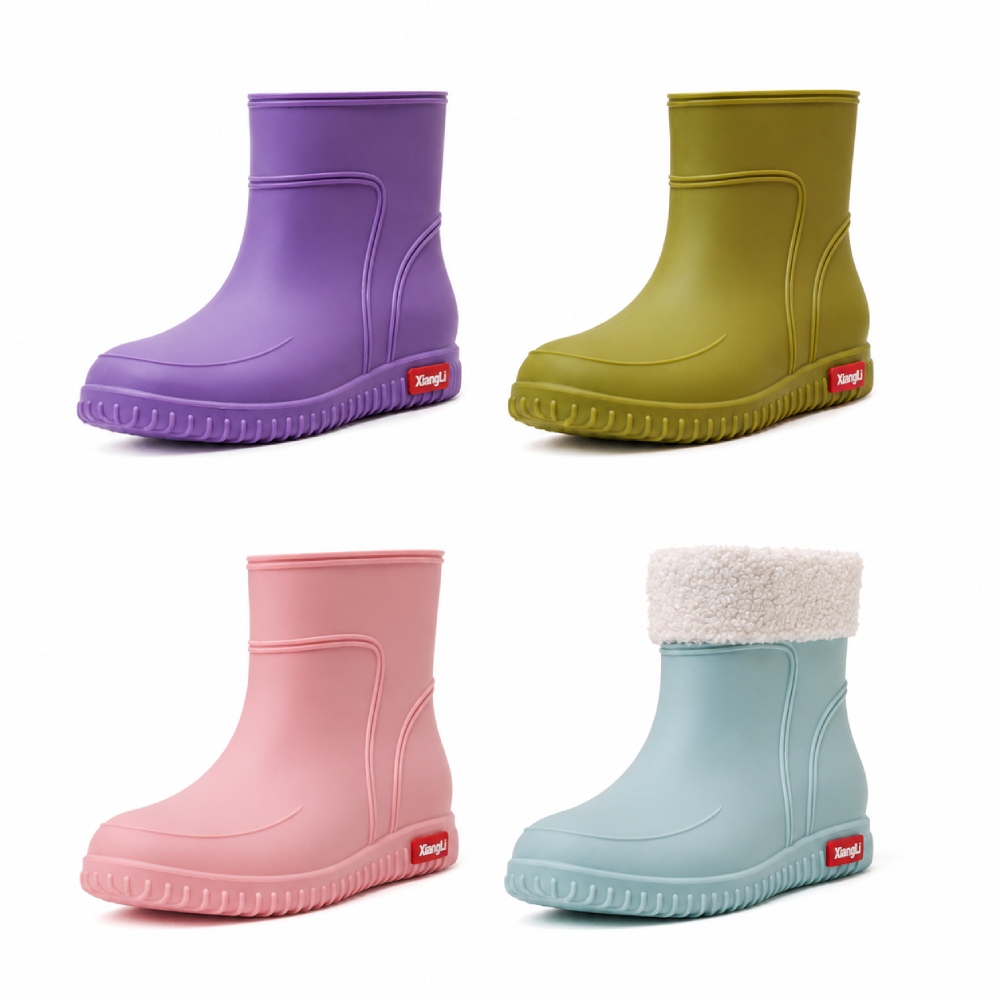
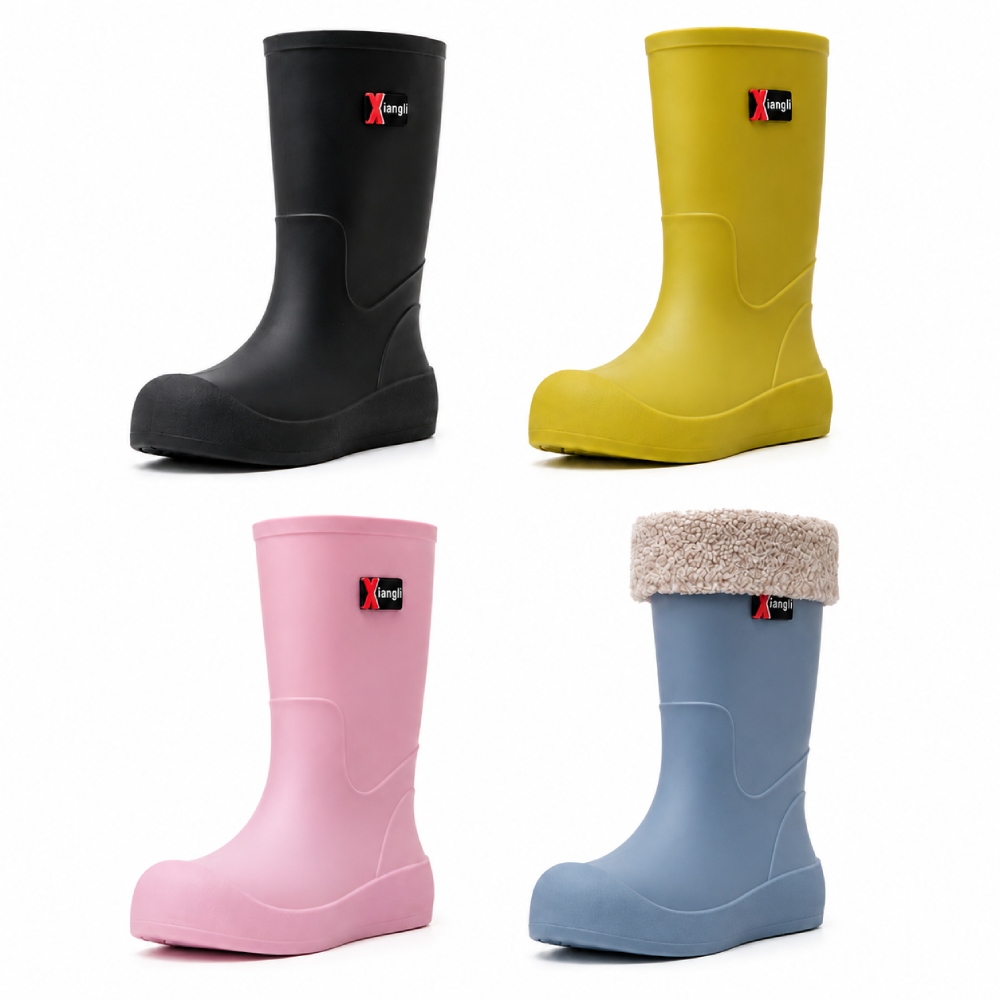
The 8012 is a pair of women's PVC garden rain boots designed for outdoor use in rainy and wet conditions.The boots feature a practical short-to-mid shaft, smooth PVC construction and a simple rounded shape. The waterproof design makes them suitable for gardening, yard work and everyday outdoor activities where wet grass, soil or rain are part of the environment.Available in several colors and selected versions with a soft fleece-style lining, the 8012 can be used for different seasonal collections. OEM and ODM services are available for wholesalers, distributors and private-label brands.
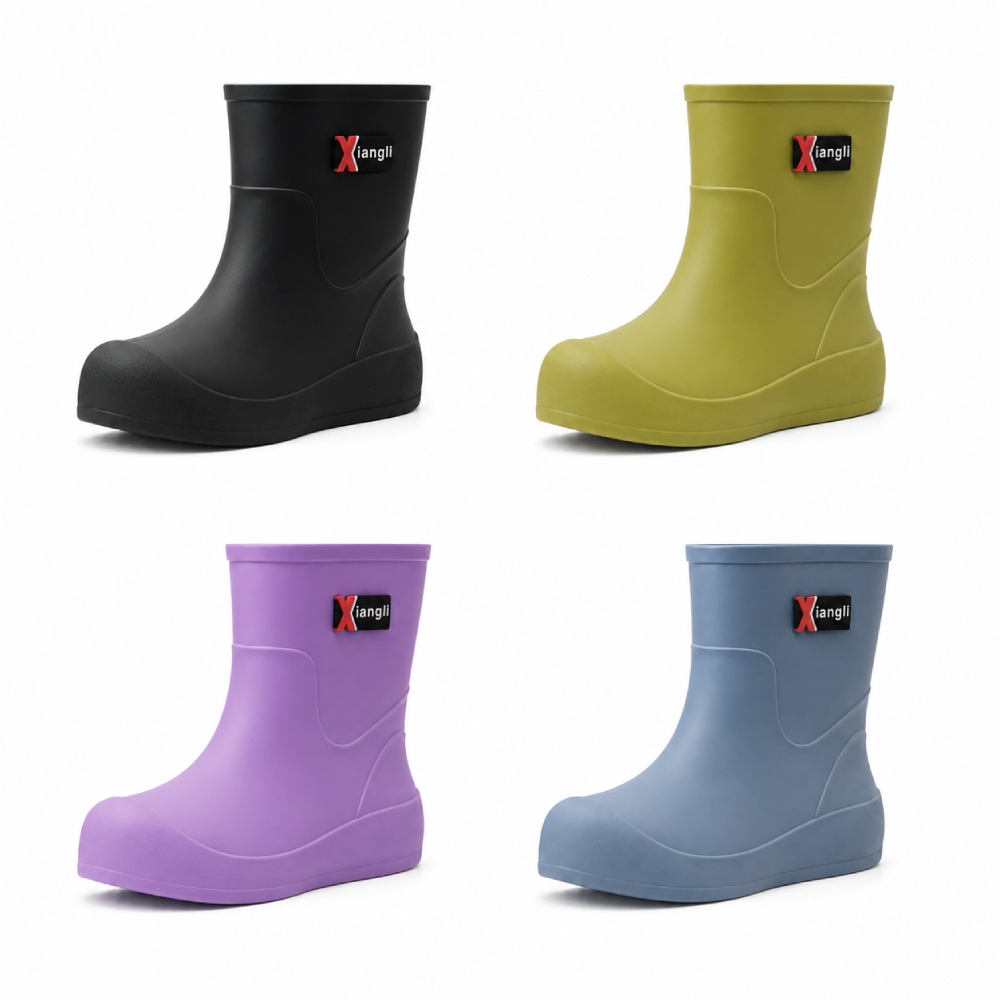
The 8012 uses a simple and rounded boot shape designed for everyday outdoor use.Compared with tall rain boots, the shorter construction provides a more compact option for gardening and general outdoor activities. The smooth PVC surface keeps the appearance simple while making the boots easy to clean after outdoor use.The available colors also make the 8012 suitable for retailers looking for women’s garden boots with a more casual appearance.
Waterproof PVC Construction
PVC is widely used for garden boots and rain boots because it provides a waterproof outer construction and is easy to clean.For gardening and yard work, the smooth PVC surface can be wiped after contact with mud, soil, grass or water.The 8012 is intended for everyday gardening, yard work and wet-weather outdoor use, rather than specialized industrial safety applications.
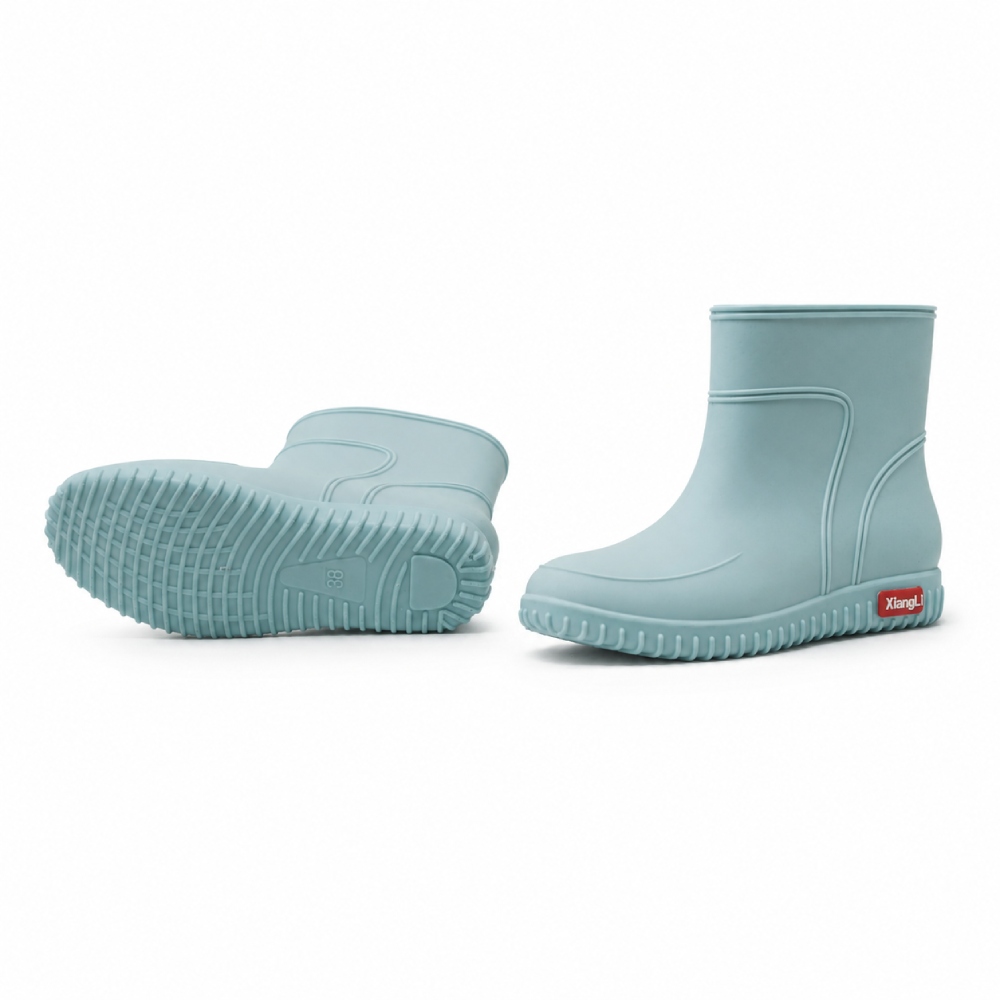
Treaded Outsole for Garden & Outdoor Use
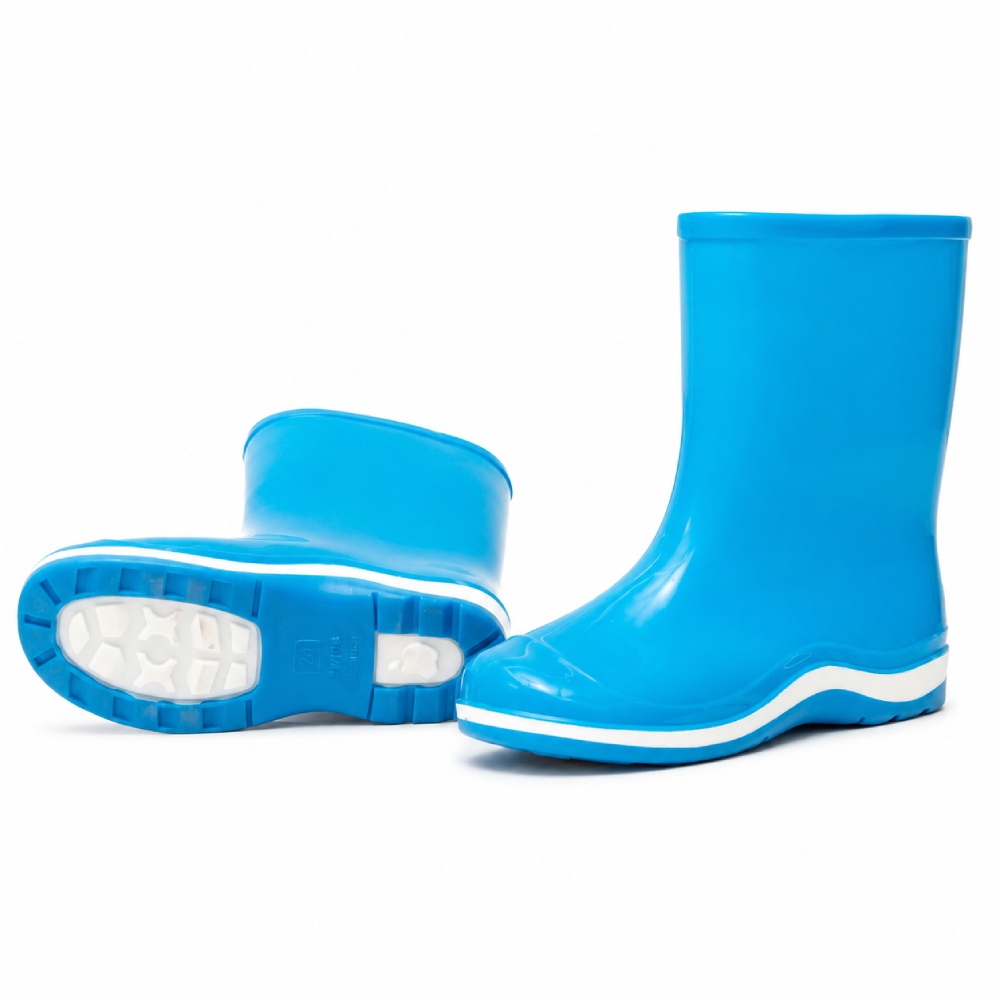
The 8012 features a treaded outsole with raised blocks and grooves across the sole.The tread pattern is designed to provide practical ground contact during everyday outdoor activities.
Outsole features:
Raised tread blocks
Multiple grooves
Full-length tread pattern
Practical outdoor use
PVC outsole construction
Specific slip-resistance performance should be confirmed according to the applicable test standard and test results.
Color Options
Custom colors can be discussed for OEM orders according to production requirements.
Where Can You Wear These Garden Rain Boots?
The 8012 is designed around everyday garden and outdoor use.
Gardening
Suitable for gardening activities around wet soil, grass and garden areas.
Yard Work
The waterproof PVC construction provides useful protection when working outdoors in wet conditions.
Wet Grass
Suitable for walking around lawns and other damp outdoor areas.
Rainy Day Activities
A practical choice for outdoor activities during rainy or wet weather.
Outdoor Leisure
Can also be used for general outdoor activities where waterproof footwear is needed.
Women’s Garden Rain Boots for Different Markets
The 8012 combines a practical PVC construction with a compact boot shape and multiple color options.
It can be positioned for:
Garden stores
Outdoor lifestyle retailers
Footwear retailers
Women’s rainwear collections
Gardening product collections
Private-label footwear brands
Seasonal outdoor footwear programs
OEM & ODM
Color Size Logo Packaging
Need a different color, packaging or product configuration? Our team can discuss OEM and ODM requirements for bulk orders.
Why Choose PVC Garden Boots?
PVC provides a practical material option for garden and outdoor footwear.
It creates a waterproof outer construction, has a smooth surface that is relatively easy to clean and can be produced in different colors and boot designs.
For wholesalers and brands, PVC garden boots can also be developed for different seasonal collections and retail channels.
8012 for Wholesale & Private Label Programs
The 8012 provides a practical option for buyers sourcing women’s garden rain boots, outdoor boots and everyday waterproof footwear.
The combination of PVC construction, a compact boot shape, waterproof coverage and multiple color options makes the product suitable for garden and outdoor footwear collections.
OEM and ODM cooperation is available for bulk orders.
Frequently Asked Questions
Are the 8012 garden rain boots waterproof?
Yes. The boots use PVC construction designed for waterproof protection during everyday wet-weather and outdoor use.
What are these boots designed for?
The 8012 is suitable for gardening, yard work, wet grass and general outdoor activities.
What material are the boots made from?
The 8012 is made from PVC.
Are these boots available with a lining?
Selected versions are available with a soft fleece-style lining. The exact configuration can be confirmed for specific orders.
Can I order custom colors?
Yes. Custom colors can be discussed for OEM orders.
Can you add our logo?
Yes. OEM and private-label logo options are available.
Model 708 is built for buyers who want one waterproof boot direction that can move across more than one selling season. The molded PVC shell provides wet-weather coverage, while the removable warm liner adds a winter-ready presentation when temperatures fall. Removing the liner creates more internal space for milder conditions, subject to fit confirmation.
Model 709 brings the removable-liner concept into a compact ankle-height boot. The short shaft makes the style quick to put on, easier to store, and convenient for customers who move frequently between indoor and outdoor areas. Its understated molded shape supports both practical dark colors and brighter lifestyle collections.
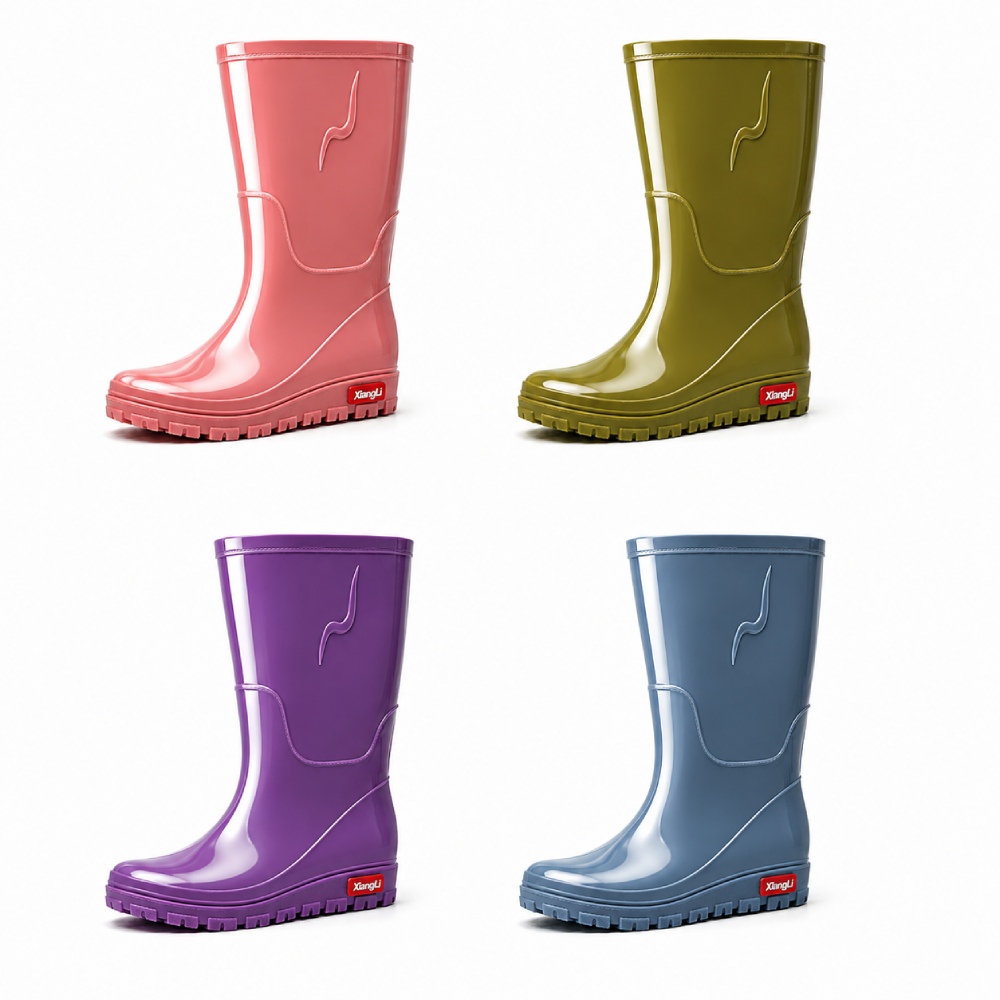
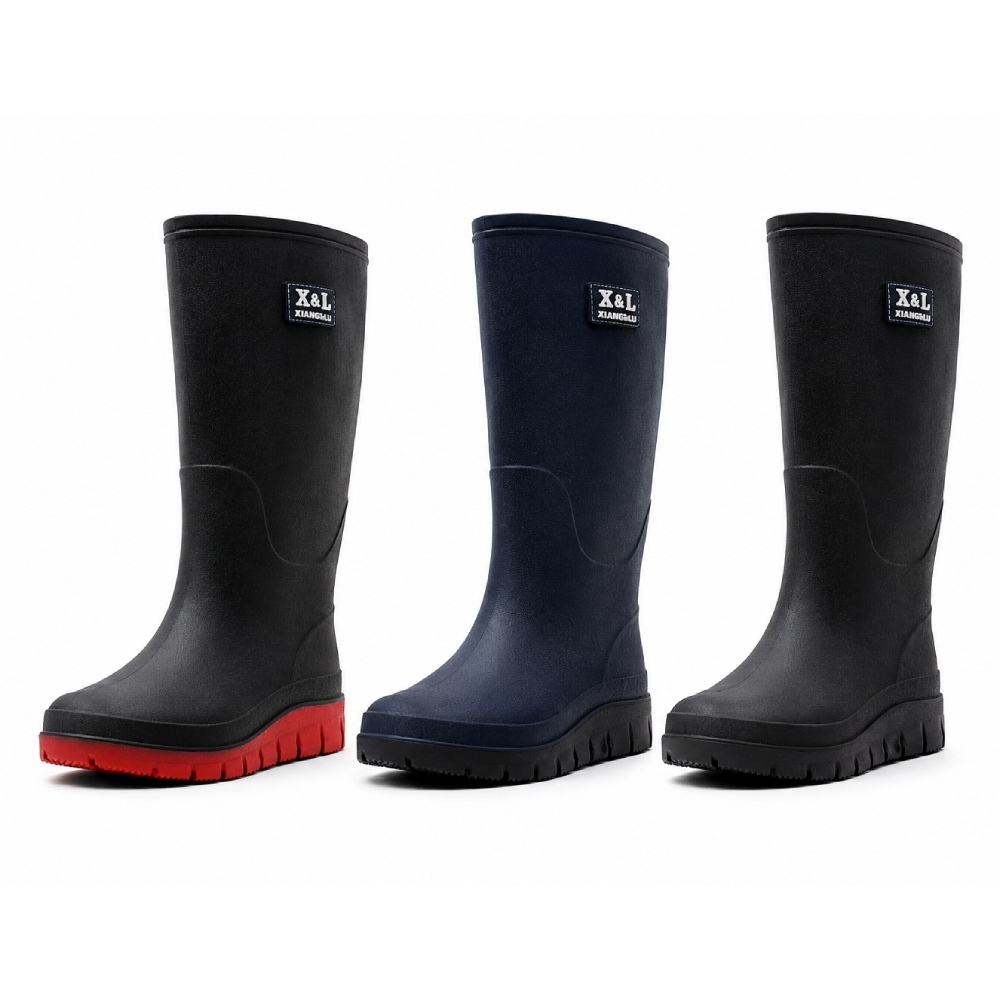
Model 8816 is a practical tall PVC boot for buyers serving agricultural shops, garden centers, outdoor workers, and general wet-weather users. Its straight, uncluttered shaft provides lower-leg coverage, while the contrasting outsole option helps distributors separate colors or create a recognizable private-label range.
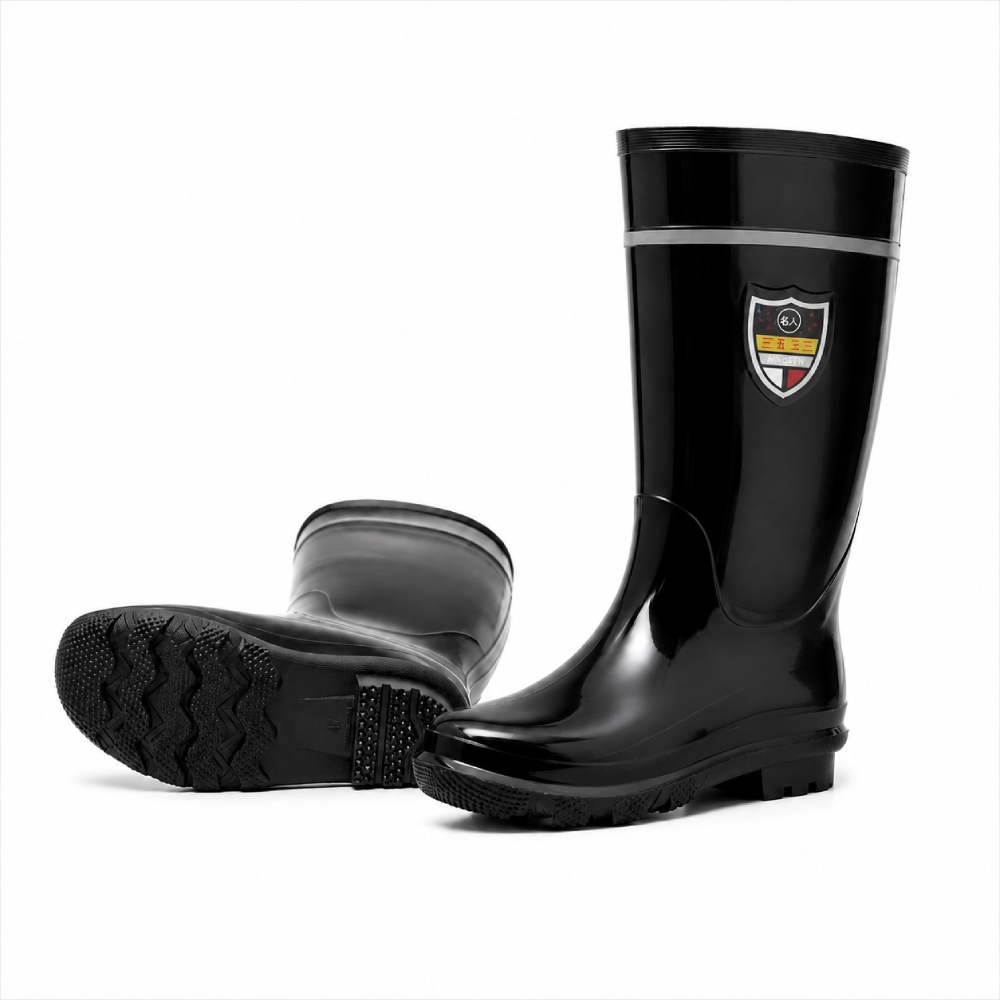
Model 8606 gives a traditional tall work boot a polished appearance through its glossy black PVC upper. The high-shine surface, defined top band, shield-style logo area, and black treaded outsole create a uniform look for workwear distributors that want practical waterproof footwear with a more finished presentation.



 Learn More