Steel Toe Rain Boots Explained: Toe Protection, Waterproofing, and Work Safety
-
 Tom
- 30th octobre 2026
Steel toe rain boots are built for jobs where wet ground and falling-object hazards can occur during the same shift. A molded shell keeps out rain, mud, and wash water, while a protective toe cap helps reduce injury from impact and compression. Some models also contain a puncture-resistant midsole, but that is a separate feature.
A steel toe does not automatically make a boot puncture resistant, slip resistant, electrically protective, or suitable for chemicals. Safe selection starts with actual hazards and evidence for the complete boot.
What Does a Steel Toe Actually Protect?
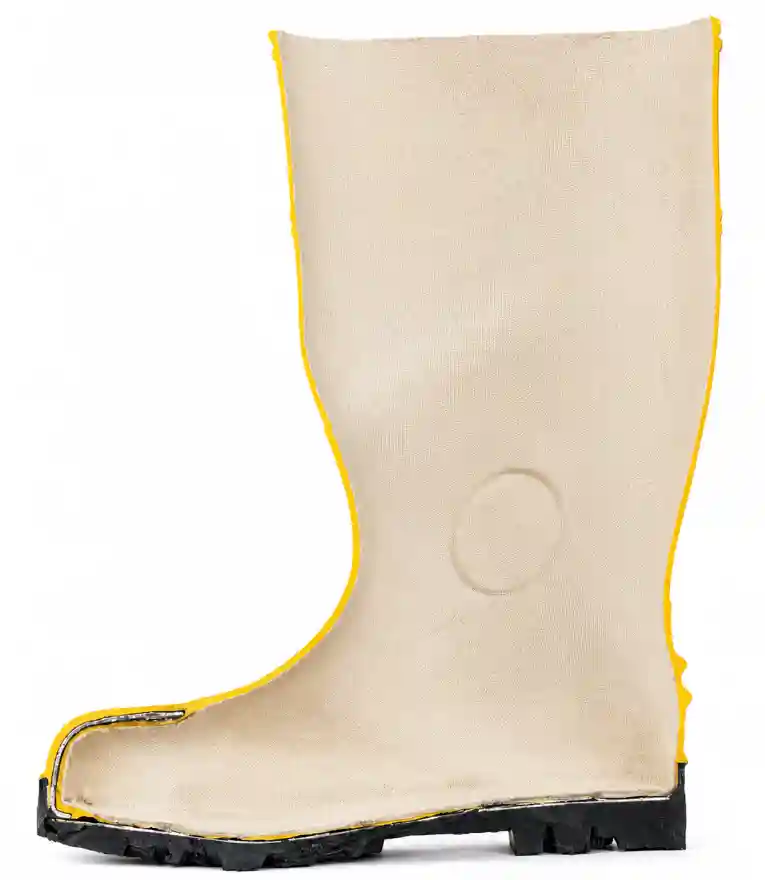
A protective toe cap forms a rigid space around the front of the foot. It resists defined impact and compression loads, such as a dropped tool or heavy material pressing against the boot. The cap is hidden inside the footwear, so performance cannot be judged from appearance.
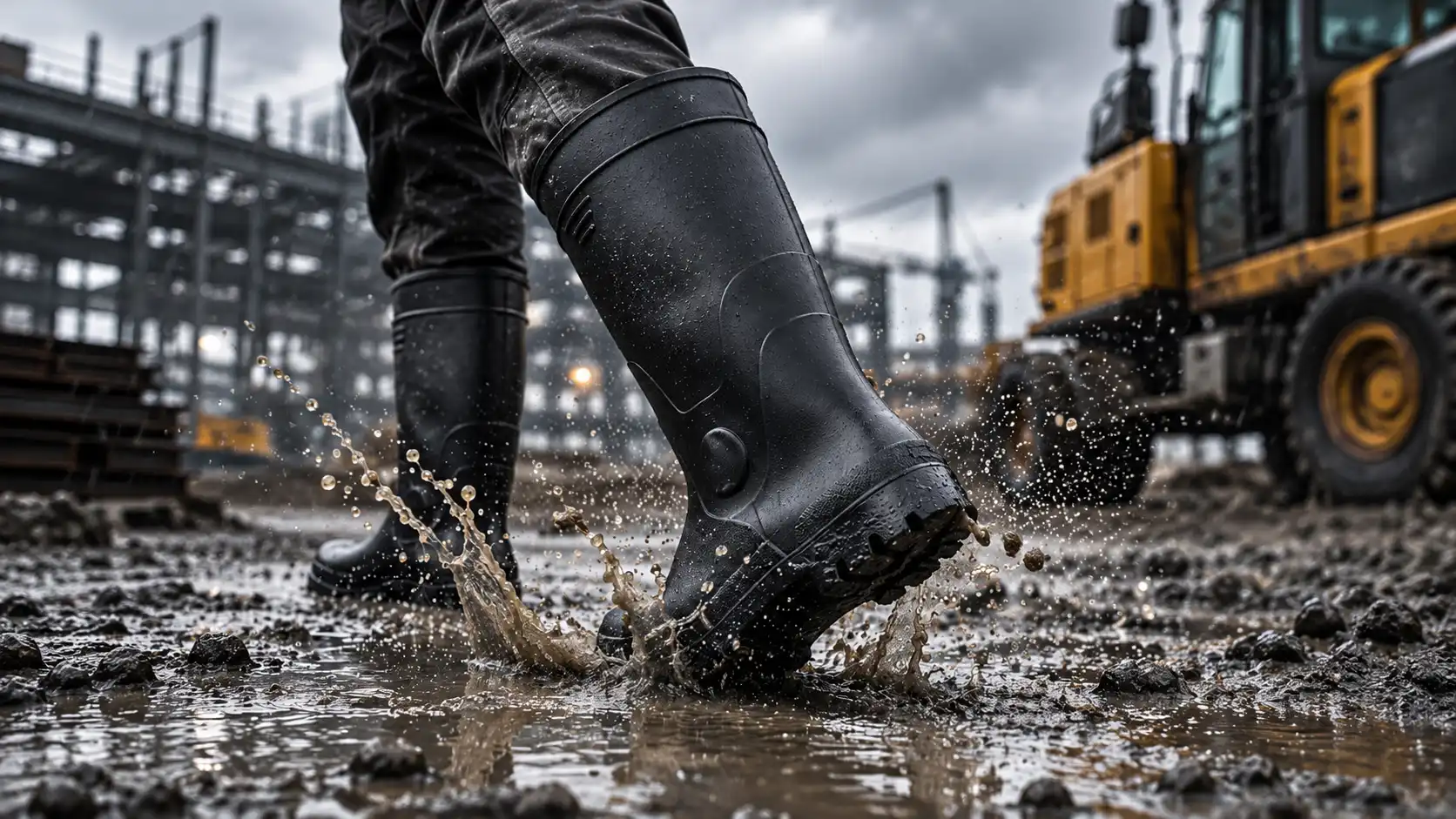
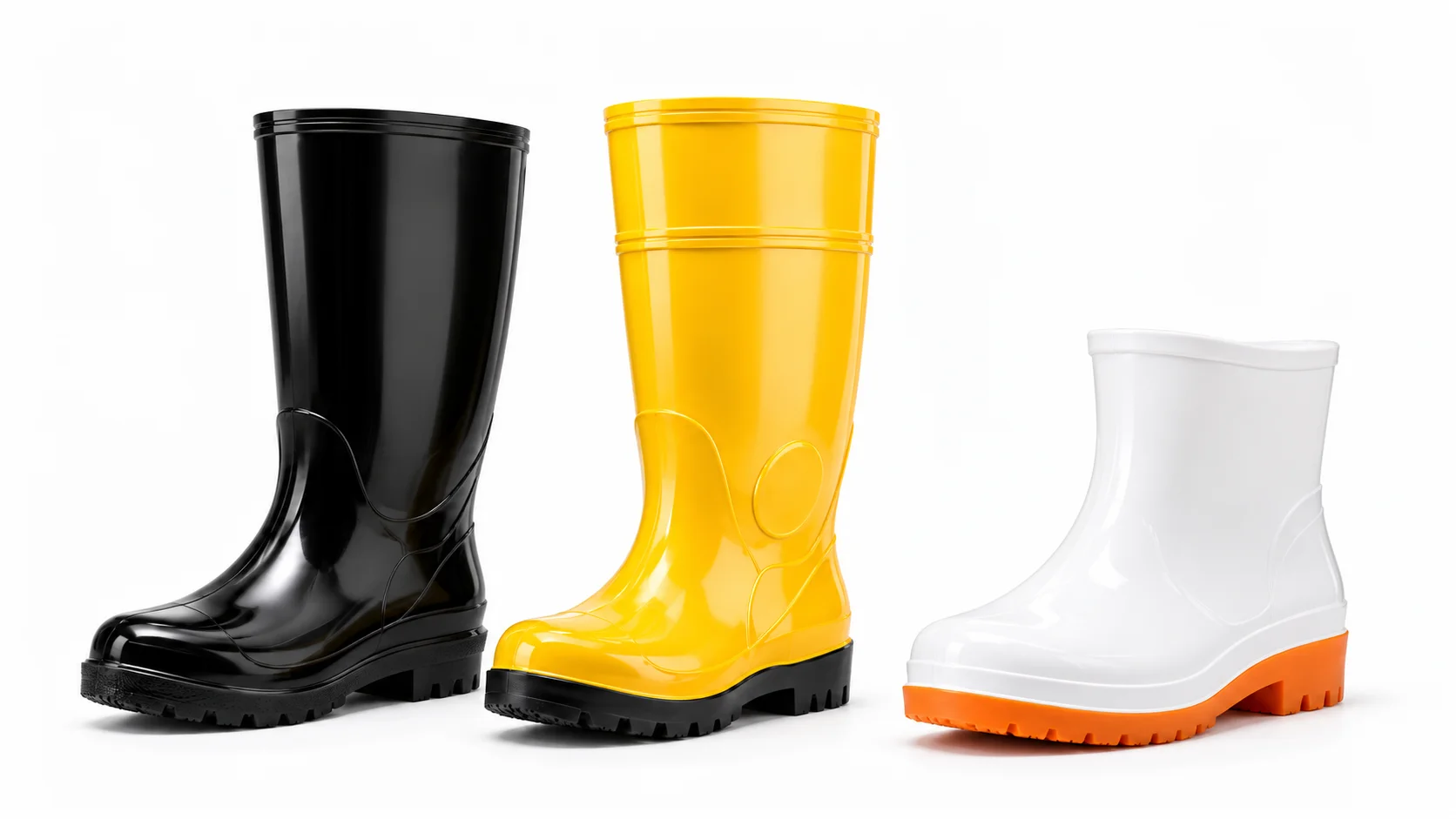
For wet construction, agriculture, sanitation, and industrial work, Bottes de pluie de sécurité en PVC combine this toe protection with a pull-on waterproof body. They make sense when a task includes both water exposure and a credible toe hazard. Ordinary rain boots may be adequate when the work involves only rain and mud.
The cap protects the toe area, not the entire top of the foot or the sole. Rolling loads, chainsaws, molten material, electrical exposure, or metatarsal impacts can require footwear designed for those hazards.
Steel is also not the only toe-cap material. Composite caps can be selected for some specifications, but “composite” does not automatically mean lighter, safer, or electrically protective. The useful comparison is the space, weight, temperature behavior, and verified protection of the finished boot. Buyers should choose the construction that passes the required test and works for the intended shift.
Steel Toe and Steel Midsole Are Different Parts
The names sound similar, but the functions are not interchangeable. The toe cap addresses impact and compression at the front. A steel midsole sits underfoot and is intended to resist penetration by sharp objects such as nails or broken metal.
This difference is easy to miss when a listing simply says “safety boot.” On demolition sites, farms, recycling areas, or muddy ground where debris is hidden, underfoot protection can be as important as the toe cap.
YUFENG can manufacture a boot with both components or configure the construction for the order specification. The 8006 steel toe and steel midsole rain boot is one example of a tall, molded design that combines the two. Even then, the buyer should match the finished model and its test report to the required market standard.
How Can a Steel Toe Boot Still Be Waterproof?
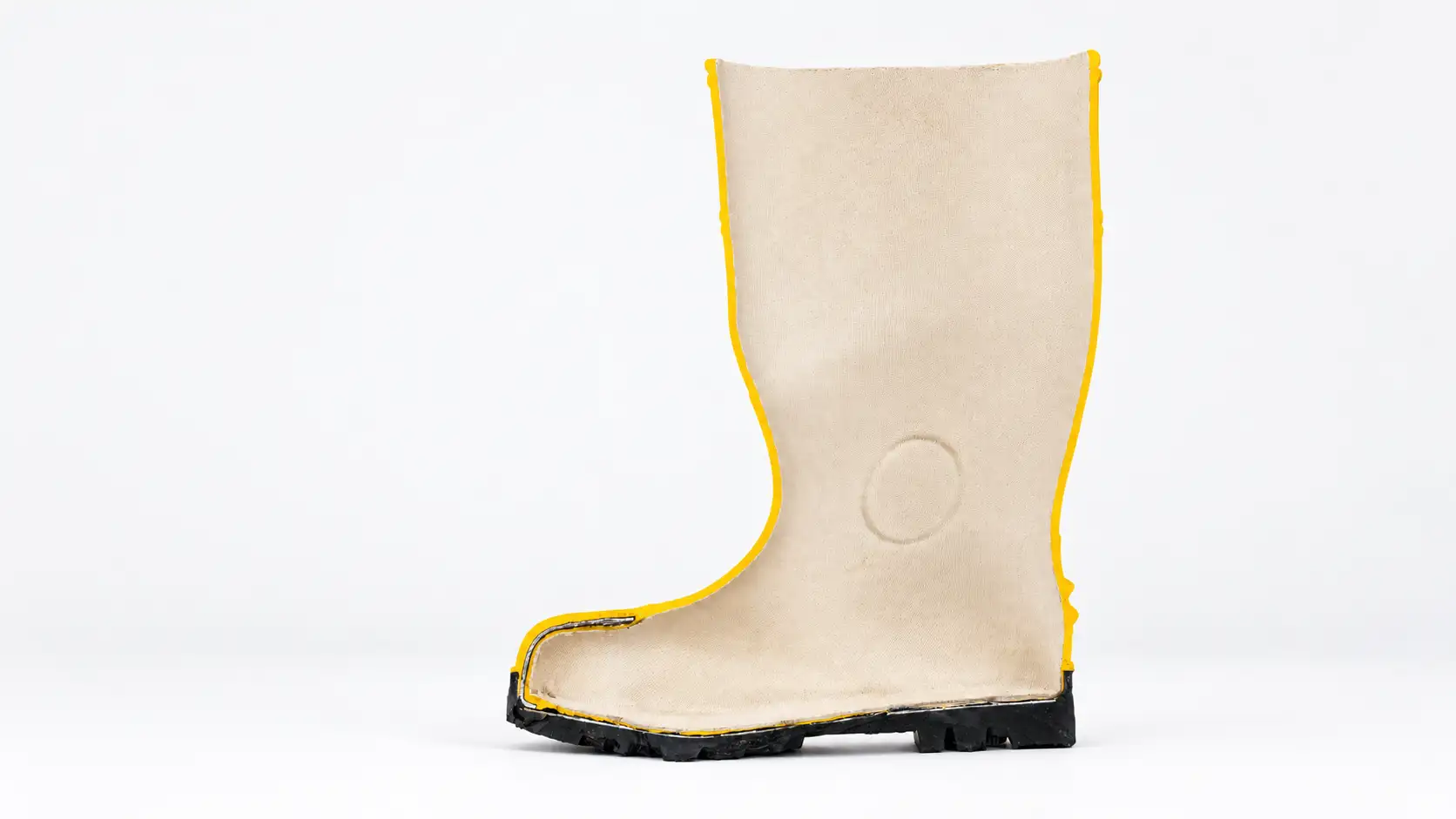
The protective cap sits inside the boot rather than passing through the shell. In one-piece PVC injection molding, the toe cap and any puncture-resistant midsole are positioned before molding. Heated PVC forms around them and cools into a continuous waterproof body without laces, eyelets, or stitched upper seams below the opening.
Water can still enter over the top. Shaft height must suit puddle depth, splash, and runoff from clothing. Tall boots add coverage but do not become waders. Cuts, pinholes, cracks, and flex-area damage can also cause leaks.
Waterproofing and safety performance should be checked separately. A leak-free shell says nothing by itself about toe impact, puncture resistance, grip, or chemical exposure. Likewise, a tested toe cap does not prove that the finished boot is waterproof.
A practical approval sample should be examined after flexing as well as when new. The forefoot and ankle are repeatedly bent during walking, and small defects may appear only after movement. Record the water level, exposure time, sample condition, and pass criteria instead of accepting a general statement that the boot was “water tested.”
The Finished Boot Matters More Than the Component List
A strong toe cap can still fail its purpose if it is the wrong size, shifts during molding, or leaves inadequate clearance. Reliable production depends on controlled materials, accurate component positioning, stable injection settings, cooling, trimming, and final inspection.
YUFENG uses dedicated checks for protective parts before molding so that required toe caps and midsoles are present and correctly positioned. Incoming materials, in-process work, and finished boots are inspected, while batch records connect the product to raw materials, shifts, molds, and customer orders. Available factory test equipment covers water leakage, toe impact, midsole puncture, flexing, and abrasion.
Request evidence for the exact construction being purchased. A report for another outsole, toe cap, formula, size, or production version may not cover the approved sample.
Match the Boot to the Worksite
Start with a written hazard assessment rather than a feature wish list. The worksite determines which protections deserve priority.
- Construction and road work:consider impact, hidden sharp debris, mud, uneven ground, and frequent flexing.
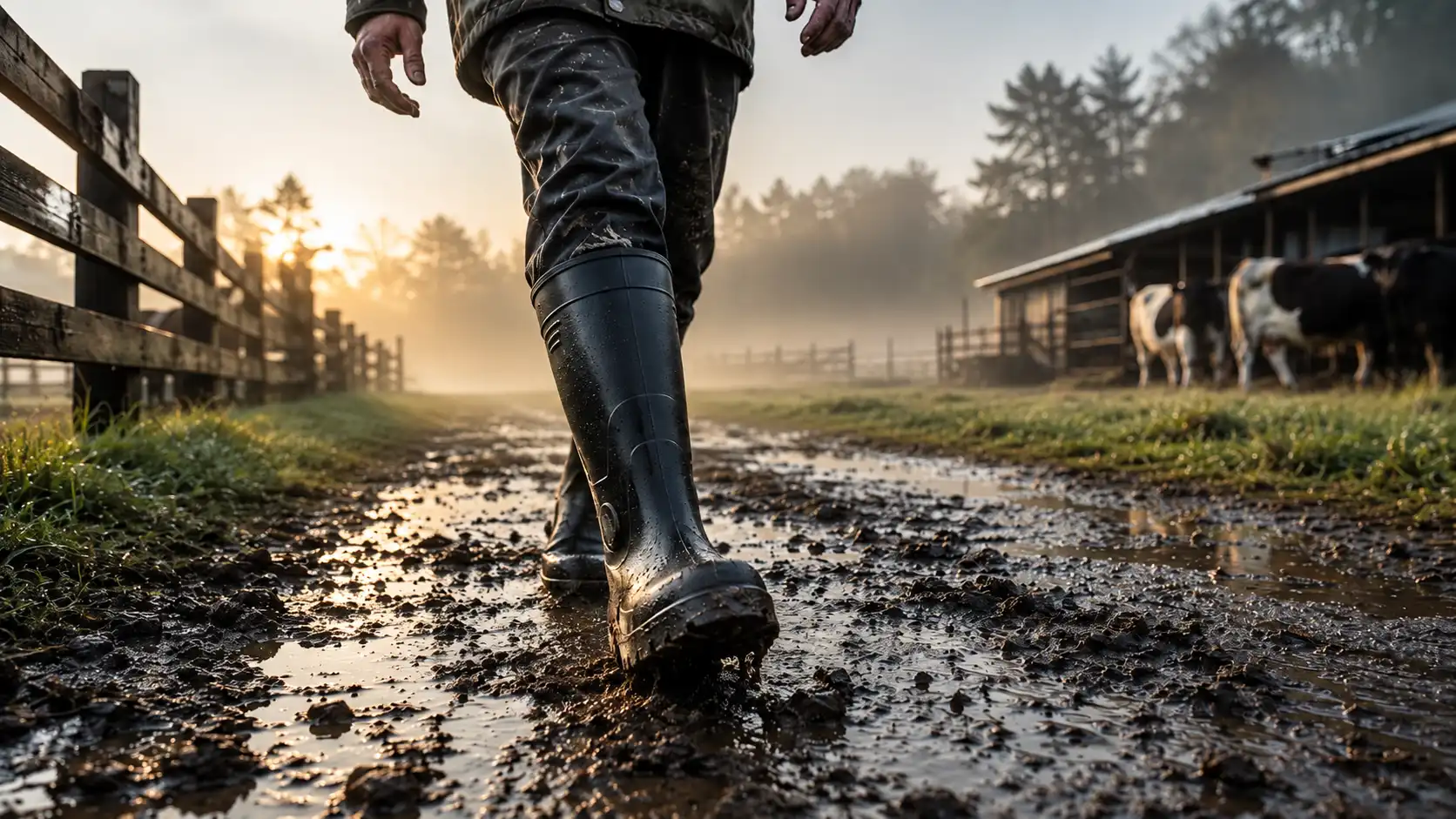
- Agriculture:balance waterproof coverage, mud-shedding tread, cleaning, and fit during long walks.
- Factories and maintenance:review floor type, wheeled loads, falling tools, detergents, and oils separately.
- Sanitation:consider prolonged wet exposure, splash height, tread contamination, and easy rinsing.
- Mining and heavy industrial support:expect site-specific protection and documentation beyond a basic steel toe.
Select the outsole for the real surface. Deep lugs can release mud; smooth wet floors may need another tread and compound. One slip result does not cover every floor or contaminant. Oil, chemical, antistatic, electrical, and cold-temperature properties need separate evidence.
Fit Is Part of Toe Protection
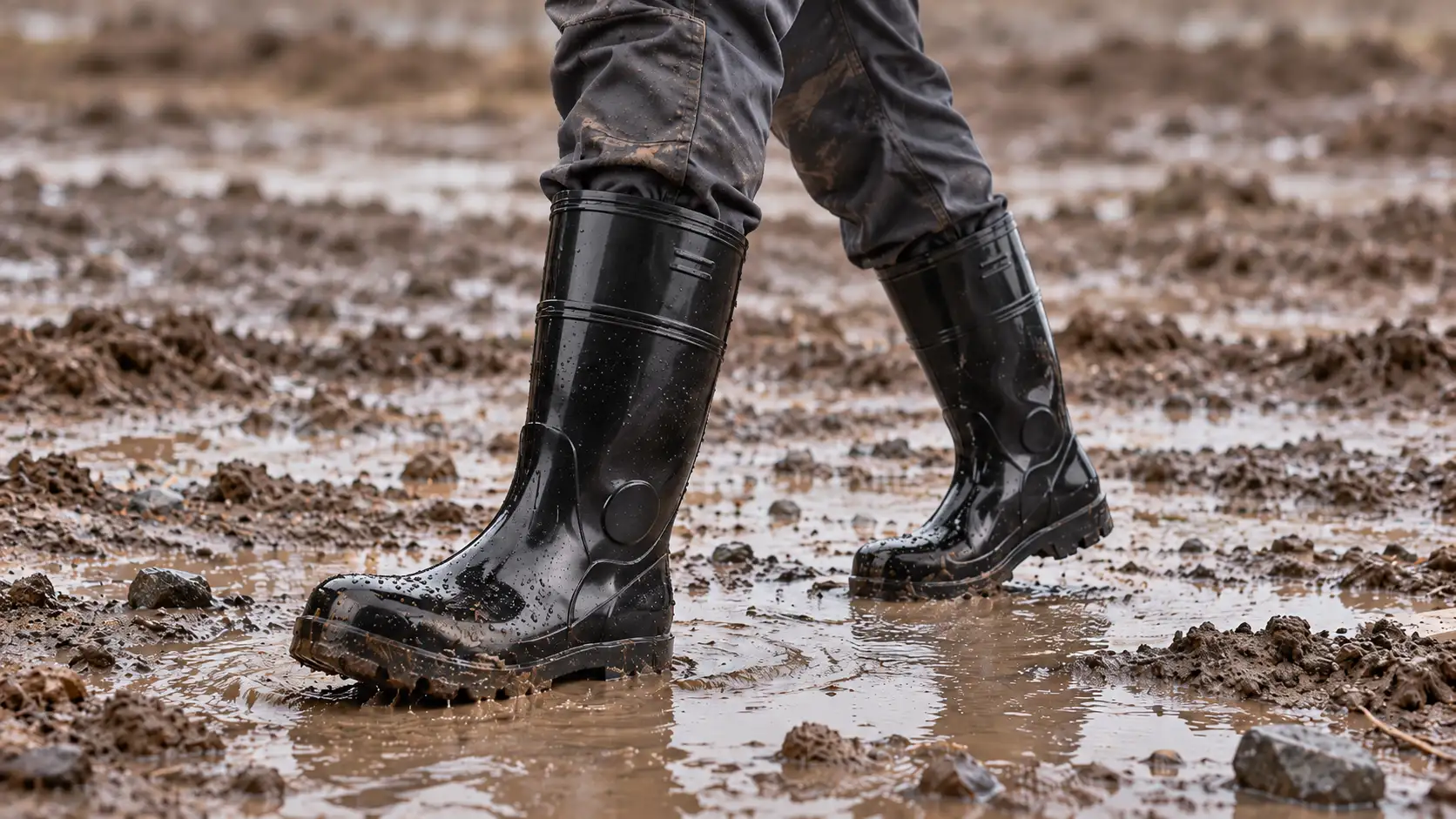
A rigid cap needs enough room during walking, kneeling, and downhill movement. Toes should not press against it, but excess space lets the foot slide forward. Heel lift, socks, lining, and calf width also affect comfort.
Evaluate samples while moving: walk on an incline, crouch, climb steps, and wear the socks used on site. Check the largest and smallest ordered sizes. If workers use thermal liners, fit the boot with the liner in place.
Protection still comes first, but a boot that causes pressure, tripping, or non-use is not a practical solution.
What Should Buyers Verify Before a Bulk Order?
The purchase document should name the destination market, standard, protection level, model, material, sizes, outsole, lining, branding, packaging, finished-boot tests, and sampling method.
YUFENG can develop safety rain boots with toe protection up to 200 J and steel midsole penetration resistance up to 1,100 N. Those figures should be treated as selectable performance targets, not a blanket claim for every model. Confirmation belongs in the report and marking for the exact finished construction.
Labels also need to match the evidence. A familiar safety symbol or standard number on packaging is not enough if the report identifies another model or construction. Compare the model code, materials, protective parts, size coverage, and manufacturer details across the boot marking, carton, declaration, and laboratory report. Resolve differences before approving mass production.
Use this short review before approving production:
| Check | What to confirm |
| Hazard coverage | Toe impact, compression, underfoot puncture, water, surface, and any special exposure |
| Finished sample | Correct components, fit, shaft height, tread, flexibility, and workmanship |
| Test evidence | Standard, laboratory, model identity, size coverage, result, date, and report validity |
| Production control | Component positioning, leakage inspection, sampling plan, and batch traceability |
| Order documents | Approved sample, specification, packaging marks, replacement policy, and change control |
If a toe cap, midsole, PVC formula, mold, or outsole changes after approval, review the effect on compliance before shipment.
Inspection, Care, and Replacement
Inspect boots before each shift for cracks, punctures, leaks, an exposed or displaced cap, sole damage, deformation, and worn tread. Never cover toe damage with tape and treat the boot as repaired protective footwear.
After wet use, rinse away mud and grit, use mild soap if needed, and dry boots at room temperature. Avoid heaters, prolonged sun, and tightly folded storage. The guide to cleaning and storing waterproof rain boots explains these routines in more detail.
Replace a boot after a severe impact because hidden deformation can reduce protective space. Also replace it if the shell leaks, the cap is exposed, the sole separates, or wear compromises performance.
A Practical Buying Principle
Steel toe rain boots work when toe protection matches the impact hazard, the shell and shaft match the water exposure, and the rest of the boot suits the surface and task.
Before sampling, define the job, destination standard, surfaces, protective components, sizes, and test documents. Buyers can discuss a steel toe rain boot specification with YUFENG so the sample and quotation follow the same requirements.
FAQ
Are steel toe rain boots completely waterproof?
An intact molded PVC shell keeps out water below the opening. Water can still enter over the top or through cuts, punctures, cracks, and defects.
Does a steel toe protect against nails underfoot?
No. Toe caps address impact and compression. Nails and other sharp objects require a suitable puncture-resistant midsole and finished-boot verification.
Are steel toe rain boots electrically safe?
Do not assume electrical protection from the toe or waterproof shell. Use only boots tested, marked, and documented for the electrical hazard identified by the workplace.
How should steel toe rain boots fit?
Toes need clearance during walking, crouching, and downhill movement. The heel should stay secure, and socks or liners should not make the toe box tight. Test fit while moving.
What documents should a wholesale buyer request?
Request an approved-sample specification, finished-boot reports for the target market, model and size identification, inspection criteria, markings, and batch traceability. Match every report to the ordered construction.
Conclusion
A steel toe protects the front of the foot from defined impact and compression, while the molded shell keeps water out below the opening. Puncture, slip, chemical, electrical, and temperature performance remain separate questions. Choose and verify the complete boot, then inspect it throughout its service life.